
Achieve a Confident, Straighter Smile
Tooth pain is one of the most common reasons people visit the dentist.
There are several potential causes of tooth pain, and one common cause is an infected pulp.
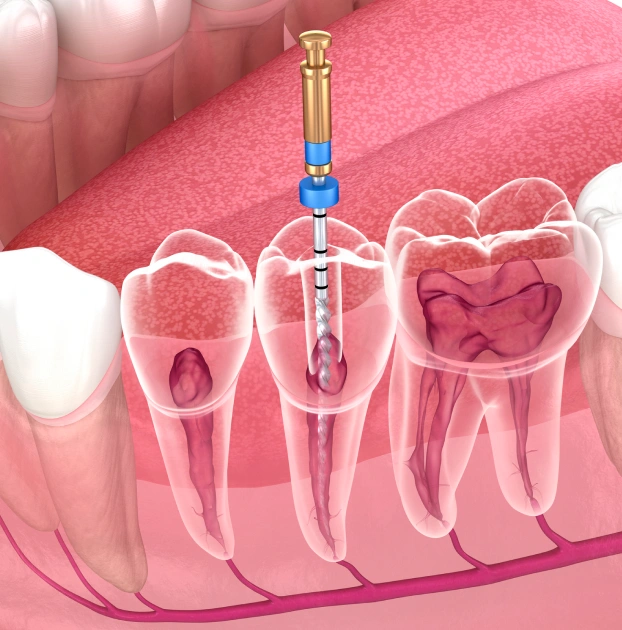
The pulp is the innermost part of the tooth, containing nerves, blood vessels, and canals. Because it is so sensitive, damage or infection in the pulp can cause significant pain.
If your pulp is damaged or decayed, a root canal may be the right treatment. Victory Smiles Dental Center has skilled endodontists who specialize in root canal therapy. Our team can remove the damaged pulp and restore your tooth. If you suspect you need a root canal, schedule an appointment with us today.
What Does an Endodontist Do?
While many general dentists perform root canal treatments, an endodontist is a specialist in this area. They focus on dental problems affecting the tooth pulp and use advanced techniques to address these issues. Their main goal is to relieve tooth pain and preserve your natural tooth whenever possible.
Endodontists are dentists who have completed additional training in their specialty—typically two extra years beyond dental school. During this training, they gain in-depth knowledge in diagnosing and treating pain and infections in the tooth pulp and root structures.
Common issues treated by an endodontist include:
- Tooth decay
- Pus buildup, or tooth abscess
- Dental trauma from a fall or knock to the face
- A cracked tooth that includes the pulp
- Bacterial infections
- Extreme tooth sensitivity to hot or cold
What Does an Endodontist Do?
Endodontists are often referred to as “root canal dentists” because root canals are among their most common treatments. However, they are also trained to perform other specialized dental procedures, including:
- Root canal retreatment
Replace the materials in a previously failed root canal. - Emergency dental surgery
Treat severe infections or repair dental injuries. - Dental implant placement
Surgically place implants to serve as the foundation for dental prosthetics, such as bridges. - Tooth extraction
While preserving the tooth is preferred, an endodontist may remove a tooth that cannot be saved. - Endodontic surgery
Perform specialized procedures, such as an apicoectomy, which removes the tip of a tooth’s root.