It happens without warning. You bite into something and feel that unmistakable looseness — your crown just fell out. If you’re searching for what to do before your emergency appointment in Pasadena, you’re in the right place. Dr. Khanh Truong and the team at Victory Smiles Pasadena want you to stay calm and take the right steps. Acting quickly — and correctly — can protect your tooth and prevent further damage.
Why a Lost Crown Is a Dental Emergency in Pasadena
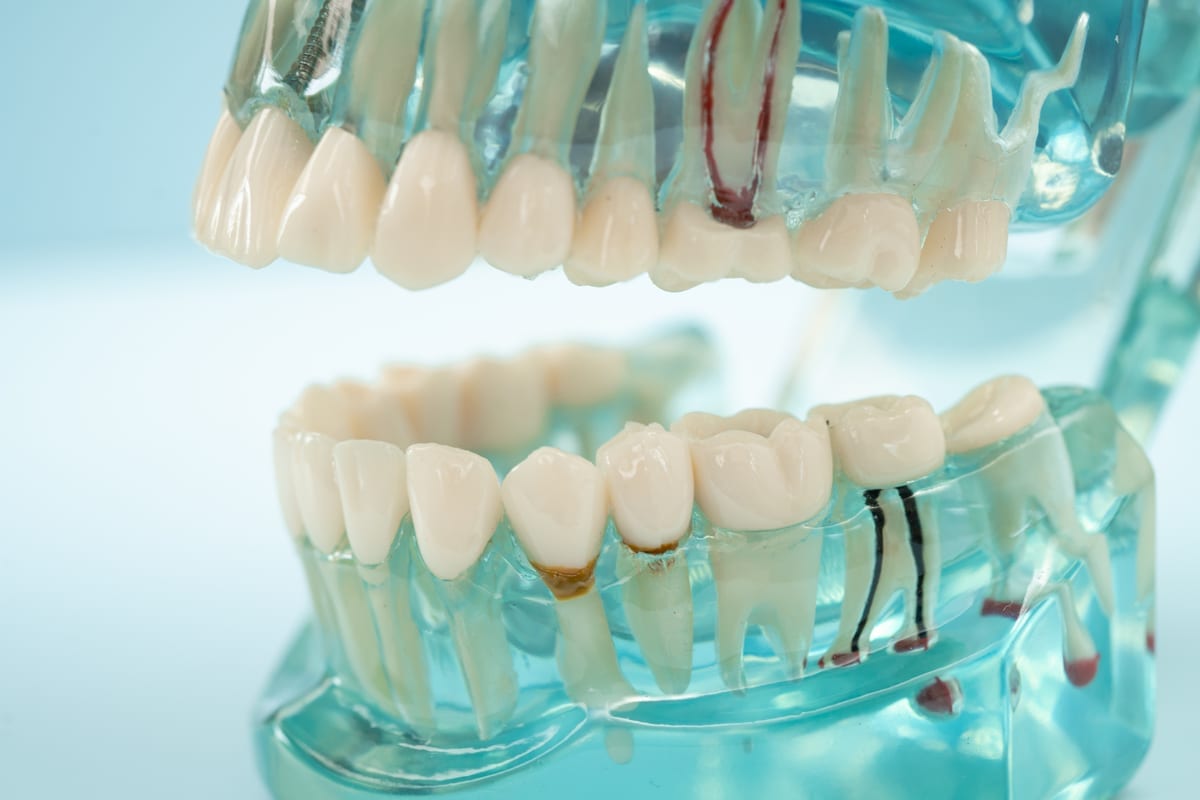
A dental crown protects a tooth that’s been weakened, cracked, or treated with a root canal. When that crown comes off, the exposed tooth underneath is suddenly vulnerable. Without protection, the tooth can crack, become sensitive, or collect bacteria rapidly.
Temperature changes from food and drinks can cause sharp pain almost immediately. Even air hitting the exposed dentin can feel uncomfortable. That sensitivity is your body telling you this needs attention fast.
Leaving a crown off for too long also risks shifting. Neighboring teeth can begin to drift toward the open space. Your bite can change, and the crown may no longer fit properly when you finally see a dentist.
Don’t wait to call for an emergency appointment. The sooner you get in, the better your outcome will be.
What to Do Right Now: Step-by-Step First Aid for a Lost Crown
Before you reach Victory Smiles Pasadena, follow these steps to protect the area and manage discomfort.
- Find and rinse the crown. If it’s intact, rinse it gently with water. Do not scrub or use soap.
- Inspect your tooth carefully. Look for sharp edges or visible damage using a mirror and good lighting.
- Use dental cement or denture adhesive. These are available at most pharmacies. They can temporarily hold the crown in place.
- Place the crown gently. Seat it carefully over the tooth. Bite down slowly to help it settle. Do not force it.
- Avoid sticky or hard foods. Do not chew on that side until you’ve seen a dentist.
- Take over-the-counter pain relief if needed. Ibuprofen or acetaminophen can help with sensitivity. Follow label instructions.
- Apply clove oil sparingly. A small amount on a cotton ball can numb the area temporarily.
These steps manage the situation — they do not fix it. You still need professional care as soon as possible.
What Makes the Situation Worse Before Your Emergency Appointment
Some well-meaning responses to a lost crown can actually cause more harm. Knowing what to avoid is just as important as knowing what to do.
Do not use super glue or household adhesives. These are toxic and can permanently bond the crown incorrectly. A dentist will have a much harder time removing them safely.
Do not ignore pain or swelling. These symptoms can signal infection or nerve damage. Ignoring them only gives the problem time to worsen.
Do not eat on the exposed side. Even soft foods can introduce bacteria into the open area. They can also shift the crown or cause it to fall off again.
Do not skip the appointment if you feel fine. The absence of pain doesn’t mean the tooth is okay. Many serious dental problems develop without immediate symptoms.
How Victory Smiles Pasadena Handles Lost Crowns and Restorations
When you arrive at Victory Smiles Pasadena, Dr. Khanh Truong will examine the tooth and the crown right away. The goal is to assess what happened and determine the best path forward quickly and comfortably.
If the crown is intact and the underlying tooth is undamaged, Dr. Truong may be able to re-cement it during your visit. This is often a same-appointment solution with minimal discomfort involved.
If the tooth has cracked or decayed beneath the crown, additional care may be needed. Dr. Truong will walk you through every option clearly. The team uses modern techniques — including Cosmetic Dentistry approaches — to restore your smile effectively and with your long-term health in mind.
Staying current with your Dental Cleaning appointments also helps prevent the decay that can loosen crowns over time. Prevention is always the best strategy.
Protecting Your Smile After a Crown Is Replaced
Once your crown is re-seated or replaced, a few habits will help you avoid the same situation again. These are simple changes that make a lasting difference.
- Schedule regular checkups and cleanings every six months.
- Avoid chewing ice, hard candy, or other tough foods.
- Wear a night guard if you grind your teeth during sleep.
- Floss carefully around crowned teeth to prevent decay at the margins.
- Alert your dentist immediately if a crown feels loose before it falls out completely.
Crown failures are often preventable. Routine care and attention to early warning signs go a long way in keeping restorations secure and lasting.
Conclusion: Don’t Wait — Get Help Today at Victory Smiles Pasadena
A lost crown is stressful, but it’s also very manageable with the right care. Use the first-aid steps above to protect the area until you can be seen. Avoid anything that could damage the tooth further. And remember — prompt attention from Dr. Khanh Truong at Victory Smiles Pasadena gives you the best chance at a fast, comfortable recovery. Book Now to schedule your appointment with our team.
Frequently Asked Questions
Can I put my crown back on myself at home?
You can temporarily seat a crown using over-the-counter dental cement or denture adhesive. This helps protect the tooth and manage discomfort. However, this is not a permanent fix. You still need to see a dentist as soon as possible to have it properly evaluated and re-cemented or replaced.
What if my tooth hurts after my crown fell out?
Sensitivity and pain after a crown falls off are very common. The exposed dentin is vulnerable to temperature, pressure, and bacteria. Over-the-counter pain relievers and clove oil can offer short-term relief. Call Victory Smiles Pasadena right away so Dr. Truong can assess whether there is deeper damage or infection.
How long can I wait before seeing a dentist about a lost crown?
You should contact a dentist the same day if possible. Waiting longer than 24 to 48 hours increases the risk of cracking, shifting teeth, and bacterial infection. Even if you feel no pain, the exposed tooth is at risk. Emergency dental appointments are available for situations exactly like this one.
Will I need a new crown or can the old one be reused?
It depends on the condition of both the crown and the underlying tooth. If the crown is undamaged and fits well, Dr. Truong may be able to re-cement it. If the tooth has decayed or the crown is broken, a new restoration will likely be needed. Your dentist will explain all options after a thorough examination.
What causes dental crowns to fall off?
Crowns can fall off due to decay forming beneath them, weakened dental cement, chewing hard or sticky foods, or general wear over time. Teeth grinding is another common cause. Regular checkups help catch these issues early before the crown becomes fully dislodged. Preventive care is the most effective long-term solution.