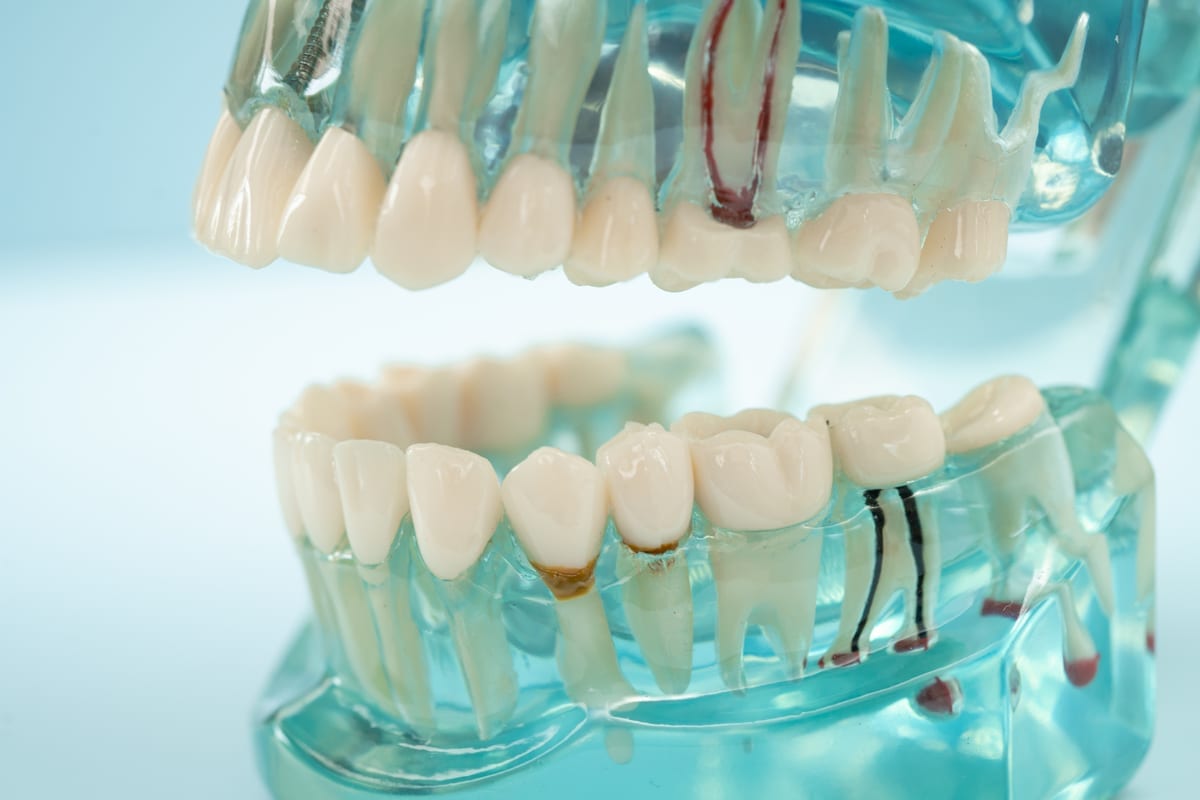

If your dentist has mentioned both crowns and veneers, you may be wondering what the difference really is. Crowns vs. Veneers: Which One Does Your Tooth Actually Need? is one of the most common questions we hear in Huntsville. Both restorations improve how your teeth look and function. But they serve very different clinical purposes, and choosing the wrong one can affect your long-term oral health.
Understanding the reasoning behind each choice helps you become a more informed patient. Our dental team at Victory Smiles Huntsville wants you to walk into any appointment feeling confident and prepared. Let’s break down the clinical logic so you can have a more productive conversation with your dentist.
What Is the Structural Difference Between a Crown and a Veneer?
A dental crown covers the entire visible portion of a tooth. It wraps around all sides, from the gumline up. Crowns are typically made from porcelain, ceramic, metal, or a combination of materials.
A veneer, by contrast, covers only the front-facing surface of a tooth. It is a thin shell, usually porcelain, bonded directly to the enamel. Veneers are primarily used for cosmetic improvements on front teeth.
This structural difference is the starting point for every clinical decision. A crown protects a tooth from all sides. A veneer improves appearance from one angle only. Your dentist’s choice depends entirely on what your specific tooth needs to stay healthy and functional.
When Dentists Choose a Crown Over a Veneer in Huntsville
Your dentist will almost always recommend a crown when a tooth has significant structural damage. This includes large cavities, cracked teeth, or teeth that have had a root canal. A veneer simply cannot provide the protection these situations require.
Here are the most common clinical reasons a crown is the right choice:
- The tooth has lost more than half its natural structure
- A root canal has been performed and the tooth needs full coverage
- The tooth is cracked through the cusp or into the root
- A large old filling has compromised the surrounding enamel
- The tooth needs to anchor a dental bridge
- Severe grinding has worn down the tooth significantly
Crowns are also the standard choice for back teeth. Molars and premolars absorb the most biting force. Veneers are not designed to handle that level of pressure. Placing a veneer on a damaged back tooth would likely fail within a short time.
When Veneers Are the Clinically Appropriate Choice
Veneers are an excellent option when the underlying tooth structure is still largely intact. They work best when the goal is cosmetic and the tooth itself is healthy. Common candidates include teeth with deep staining, minor chips, or small gaps between teeth.
As part of Cosmetic Dentistry, veneers offer a conservative way to reshape a smile without removing much tooth enamel. They are thinner than crowns and require less tooth reduction during preparation. This matters because enamel cannot grow back once it is removed.
Veneers are typically recommended for:
- Front teeth with permanent staining that whitening cannot fix
- Teeth with minor size or shape irregularities
- Slightly overlapping or uneven front teeth
- Small chips that do not affect the tooth’s structural integrity
- Closing minor gaps between front teeth
If your tooth is healthy but cosmetically imperfect, a veneer is often the more conservative and appropriate solution. Your dentist will evaluate enamel thickness before making a final recommendation.
The Role of Tooth Preparation and Enamel Loss
One critical clinical factor is how much natural tooth structure each restoration requires your dentist to remove. A crown requires more aggressive preparation. Your dentist reshapes the entire tooth to create room for the crown to fit over it.
A veneer requires far less removal of enamel — typically less than one millimeter. This is one reason dentists prefer veneers when the tooth is still largely intact. Less enamel removal means a more conservative and reversible-adjacent approach.
However, both procedures are considered permanent in the sense that some enamel is always removed. Once you commit to either restoration, that tooth will always need some form of covering. This is why getting an accurate diagnosis first is so important.
Regular Dental Cleaning appointments also play a role here. Keeping your gums healthy ensures that the margins of your crown or veneer seal properly and resist bacteria buildup over time.
How Your Dentist Makes the Final Call
No reputable dentist chooses between a crown and veneer based on appearance alone. The decision comes from a clinical examination, dental X-rays, and a thorough review of your tooth’s history. Your dentist looks at the amount of healthy tooth structure remaining, the location of the tooth in your mouth, your bite pattern, and your overall oral health.
In some cases, a patient may want a veneer for cosmetic reasons, but the clinical findings point clearly to a crown. In those situations, placing a veneer would be inappropriate. It could leave the tooth vulnerable to further damage or fracture.
Open communication with your dentist is essential. Ask why one option is being recommended over the other. A good explanation should always center on the condition of your tooth, not just the cosmetic result you want.
Conclusion: Getting the Right Restoration for Your Tooth
The decision between a crown and a veneer is never one-size-fits-all. It depends on the health of your tooth, its location, the extent of any damage, and your specific goals. Both restorations can produce beautiful, long-lasting results when chosen for the right clinical reasons.
At Victory Smiles Huntsville, our dental team takes the time to explain every recommendation. We want you to understand exactly why a particular treatment fits your situation. Book Now to schedule your appointment with our team.
Frequently Asked Questions
Can a veneer be placed over a tooth that already has a filling?
It depends on the size and location of the filling. Small fillings on the back surface of a front tooth may not interfere. However, large fillings weaken the enamel bond that veneers rely on. Your dentist will evaluate this during your examination and may recommend a crown instead.
Do crowns look as natural as veneers?
Modern crowns made from all-ceramic or porcelain materials can look very natural. Dentists match them to the color and shape of surrounding teeth. For front teeth, both crowns and veneers can achieve excellent cosmetic results when placed by a skilled dental team.
How long do crowns and veneers typically last?
Crowns generally last 10 to 15 years or longer with proper care. Veneers typically last 10 to 12 years before they may need replacement. Habits like grinding your teeth or biting hard objects can shorten the lifespan of either restoration.
Is one option more painful than the other?
Both procedures are performed under local anesthesia, so you should not feel pain during treatment. Some patients experience mild sensitivity afterward for a few days. Crown preparation involves more tooth reshaping, so temporary sensitivity may be slightly more noticeable after that procedure.
What happens if a veneer is placed on a tooth that really needed a crown?
If a damaged tooth receives a veneer instead of a crown, the underlying structure remains vulnerable. The veneer may crack, debond, or fail to protect against further decay or fracture. This is why accurate diagnosis before treatment is essential for long-term success.