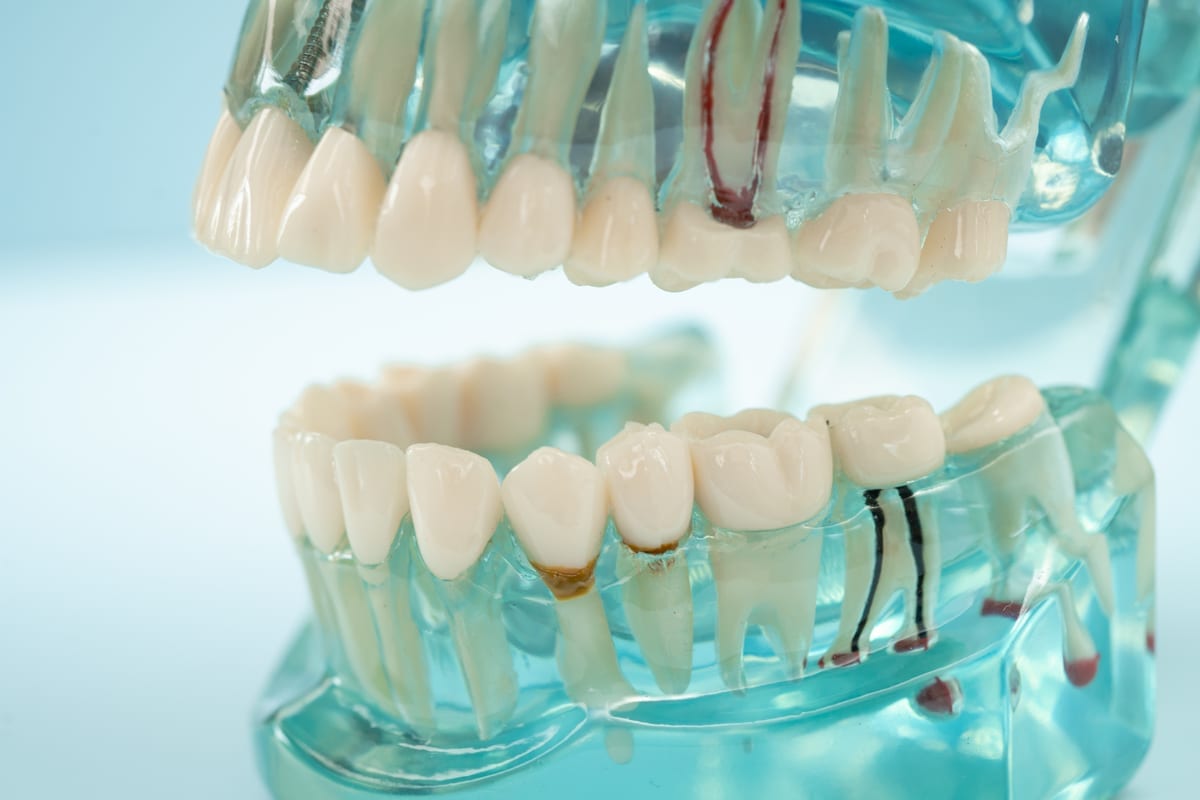

Many patients in Alief ask the same question after leaving the dental chair: will your wisdom teeth extraction results last forever or need retreatment in Alief? The good news is that wisdom tooth removal is typically a permanent solution. Once a tooth is extracted, it does not grow back. However, the long-term success of your extraction depends on several factors you should understand before and after the procedure.
At Victory Smiles, Dr. James Pham helps patients throughout the Houston area make confident, informed decisions about their oral health. This guide explains how long extraction results typically last, what can go wrong, and how to protect your smile for years to come.
Why Wisdom Teeth Extraction Is Considered Permanent
Unlike many dental treatments, tooth extraction is a one-time procedure. When Dr. Pham removes a wisdom tooth, that specific tooth is gone permanently. Human adults do not regenerate teeth after the permanent set comes in. This means the extraction site itself will not produce a new problematic tooth.
That said, permanence does not mean zero follow-up. The surrounding teeth, bone, and gum tissue still require attention. Neighboring teeth can shift over time. The extraction socket must heal completely to avoid complications. Staying proactive with Preventive Dentistry visits helps monitor that healing process effectively.
Most patients who follow proper aftercare instructions experience no retreatment needs. The extraction site heals within a few weeks. Full bone healing typically takes three to six months, depending on the individual.
What Can Shorten the Longevity of Your Extraction Results in Alief
Several factors can complicate healing or create new problems after extraction. Understanding these risks helps you take the right steps to avoid them.
- Dry socket: This painful condition occurs when the blood clot dislodges from the socket. It delays healing and requires additional treatment.
- Infection: Bacteria entering the open socket can cause serious complications. Proper oral hygiene reduces this risk significantly.
- Tooth shifting: Adjacent teeth may drift into the empty space over time. This can affect your bite and alignment.
- Incomplete extraction: Rarely, a fragment of root may remain. This requires follow-up care to resolve.
- Poor healing habits: Smoking, drinking through straws, or ignoring aftercare instructions can all prolong recovery.
Patients in Alief who experience persistent pain, swelling, or unusual symptoms after extraction should contact Victory Smiles promptly. Early intervention prevents minor issues from becoming major complications.
How to Extend the Life of Your Extraction Results
Taking good care of your mouth after extraction dramatically improves your long-term outcome. The first 72 hours are especially critical for clot formation and initial healing.
Here are key steps Dr. Pham recommends for patients recovering in Alief:
- Follow all post-operative instructions provided by Victory Smiles without exception.
- Avoid hard, crunchy, or chewy foods for at least one week after the procedure.
- Do not smoke or use tobacco during the healing period, as this dramatically increases dry socket risk.
- Rinse gently with warm salt water starting 24 hours after the procedure to keep the area clean.
- Attend all scheduled follow-up appointments so Dr. Pham can confirm proper healing.
Beyond immediate recovery, maintaining routine dental checkups is essential. Your remaining teeth need monitoring to ensure they do not shift or develop new issues after the wisdom tooth is gone.
When Retreatment or Additional Procedures May Be Necessary
Most patients never need retreatment after a successful wisdom tooth extraction. However, certain situations can arise that require further dental work. Knowing these scenarios helps you stay prepared and avoid surprises.
If the extraction leads to significant tooth shifting, orthodontic treatment may become necessary. Dr. Pham offers Restorative Dentistry options to address bite changes or structural issues that develop over time. Bone loss at the extraction site is another concern in rare cases, particularly when healing does not progress normally.
Some patients develop issues with adjacent teeth that were previously held in place by the wisdom tooth. These teeth may become loose, shift, or experience increased wear. A follow-up consultation allows Dr. Pham to evaluate these changes and recommend the appropriate next step.
Retreatment is never guaranteed, but it is also nothing to fear. Early detection and professional guidance keep small problems from escalating into complex, costly procedures.
Ongoing Maintenance After Wisdom Teeth Removal in Alief
Long-term success after wisdom tooth extraction depends on consistent oral hygiene habits. Brushing twice daily, flossing regularly, and using an antimicrobial rinse helps keep the surrounding tissue healthy. These simple habits prevent gum disease and decay in adjacent teeth.
Routine dental exams at Victory Smiles give Dr. Pham the opportunity to monitor your oral health comprehensively. X-rays taken during checkups can detect subtle bone changes or tooth shifting before they become problematic. This kind of proactive care makes a measurable difference in your long-term outcomes.
Patients in Alief who combine good home care with regular professional visits consistently report fewer complications. The investment of time and attention now protects your smile for decades to come.
Frequently Asked Questions
Does wisdom tooth extraction ever need to be repeated?
A wisdom tooth itself does not grow back after extraction. However, if root fragments were left behind or a complication like infection occurred, additional treatment may be needed. Regular follow-up visits with Dr. Pham at Victory Smiles help catch and address any such issues early.
How long does it take for the extraction site to fully heal?
The gum tissue typically closes within one to two weeks. Complete bone healing at the extraction site can take three to six months. The timeline varies based on individual health, age, and how well post-operative instructions are followed.
Can my other teeth shift after wisdom tooth removal?
Yes, tooth shifting is possible after any extraction. The teeth adjacent to the removed wisdom tooth may gradually drift into the empty space. Routine dental exams allow Dr. Pham to monitor for this and recommend orthodontic or restorative options if needed.
What signs suggest a complication after my extraction?
Watch for persistent or worsening pain after the third day, visible dry socket where no clot is visible, fever, swelling that spreads, or an unpleasant odor from the site. Contact Victory Smiles immediately if you notice any of these symptoms after your procedure.
Is wisdom tooth removal in Alief the same as anywhere else?
The procedure and aftercare principles are the same regardless of location. What matters most is choosing an experienced dental provider who offers personalized aftercare guidance. Dr. James Pham at Victory Smiles serves patients throughout Houston and the Alief area with expert, compassionate care.
Understanding your results empowers you to protect them. Whether you are preparing for extraction or recovering from one, Victory Smiles is here to guide every step. Book Now to schedule your appointment with our team.