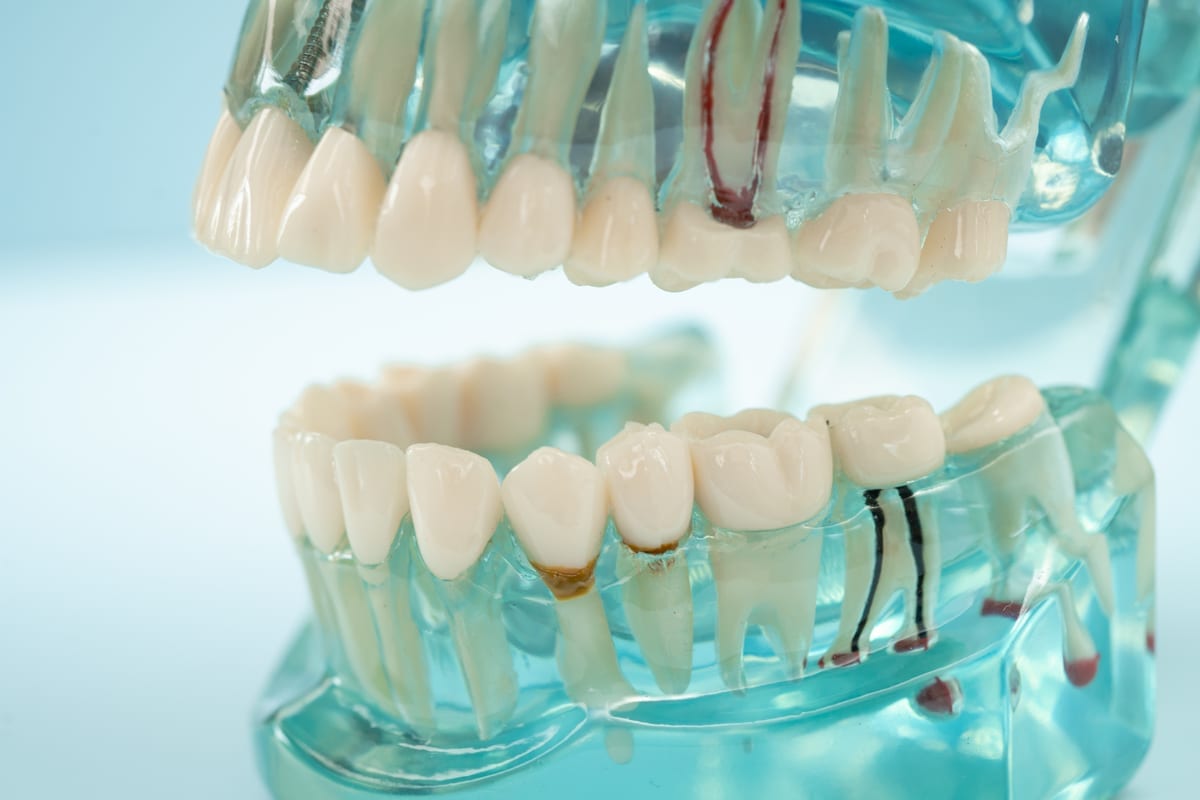

Many Houston residents are surprised to learn they have gum disease. Understanding why gum disease sneaks up on you and how to stop it in Houston is critical for protecting your smile. The condition rarely announces itself with dramatic pain. Instead, it develops quietly over months or even years before causing serious damage.
Dr. Richard Truong and the team at Victory Smiles see this pattern regularly. Patients come in for a routine cleaning and discover their gums are already in trouble. The good news is that early detection and simple preventive habits can stop gum disease before it ever becomes a serious problem.
Why Gum Disease Sneaks Up on You in Houston
Gum disease begins with plaque, a sticky film of bacteria that forms on your teeth daily. When plaque is not removed through brushing and flossing, it hardens into tartar. Tartar irritates the gum tissue and triggers inflammation. This early stage is called gingivitis.
Here is the tricky part — gingivitis often has no pain. You might notice slight bleeding when you brush, but many people ignore this warning sign. Over time, the inflammation spreads below the gumline. This is when gingivitis advances into periodontitis, a far more serious infection.
Houston’s climate can also play a role. Humidity and heat encourage bacteria to thrive in oral environments. Add in a busy lifestyle, stress, or irregular dental visits, and the conditions are perfect for gum disease to develop undetected.
Silent Warning Signs You Should Never Ignore
Knowing the early warning signs helps you act before the damage worsens. Many of these signs are subtle, which is exactly why gum disease sneaks up on so many Houston patients.
- Gums that bleed when you brush or floss
- Puffy, red, or tender gum tissue
- Persistent bad breath that does not go away
- Gums that appear to be pulling away from your teeth
- Teeth that feel loose or shift position
- Increased sensitivity near the gumline
If you notice any of these signs, schedule a dental appointment right away. Early intervention makes a significant difference in your treatment outcome. Waiting only gives the disease more time to progress.
How Gum Disease Progresses If Left Untreated
Gingivitis is reversible with professional cleaning and improved home care. However, periodontitis is not reversible — it can only be managed. At this advanced stage, bacteria destroy the bone and connective tissue holding your teeth in place. Tooth loss becomes a real possibility.
Advanced gum disease also carries risks beyond your mouth. Research links periodontitis to heart disease, diabetes complications, and respiratory conditions. This is why the Victory Smiles team emphasizes prevention as your strongest tool.
In severe cases, patients may require Tooth Extractions Houston to remove teeth that can no longer be saved. Once a tooth is lost, replacing it requires additional restorative work. Preventing gum disease protects you from this entire cascade of consequences.
For patients who have already experienced tooth loss or structural damage from gum disease, Restorative Dentistry Houston offers solutions to rebuild and strengthen your smile. However, stopping gum disease before it reaches that point is always the better path.
Simple Preventive Steps That Stop Gum Disease in Houston
The most effective strategy against gum disease is also the most straightforward. Consistent daily habits and regular professional care keep your gums healthy over the long term. Here is what Dr. Richard Truong recommends for Houston patients.
- Brush twice daily — Use a soft-bristled toothbrush and fluoride toothpaste. Brush for at least two minutes each session.
- Floss every single day — Flossing removes plaque and debris from areas your toothbrush cannot reach. This step is non-negotiable for gum health.
- Use an antimicrobial mouthwash — Rinsing reduces bacterial load and supports healthier gum tissue.
- Stay hydrated — Drinking water throughout the day helps rinse bacteria from your mouth and supports saliva production.
- Eat a balanced diet — Limit sugary foods and drinks that feed harmful oral bacteria.
- Schedule professional cleanings every six months — Dental professionals remove tartar that home brushing cannot eliminate.
These steps work together as a system. Skipping even one element creates gaps where bacteria can flourish. Consistency is what makes prevention effective over time.
What to Expect at Victory Smiles During a Gum Health Check
When you visit Victory Smiles in Houston, Dr. Truong and his team perform a thorough gum evaluation. They measure the depth of the pockets between your gums and teeth. Healthy pockets measure between one and three millimeters. Deeper pockets indicate inflammation or infection.
If early-stage gum disease is detected, a professional cleaning is often all that is needed. For more advanced cases, a deep cleaning procedure called scaling and root planing removes bacteria from below the gumline. This non-surgical treatment is highly effective when started early.
Victory Smiles also uses laser dentistry technology to treat gum disease with greater precision and comfort. Laser treatment targets infected tissue without affecting healthy surrounding areas. Recovery is typically faster and less uncomfortable than traditional methods.
Our team also provides personalized education during every visit. We show patients the specific areas where plaque is building up at home. Understanding your own risk factors helps you make smarter choices between appointments.
Frequently Asked Questions
Can gum disease go away on its own without treatment?
Gingivitis, the earliest stage of gum disease, can be reversed with professional cleaning and improved home care. However, it will not go away on its own without action. Advanced periodontitis cannot be reversed and requires ongoing professional management to prevent further damage.
How often should Houston patients visit the dentist to prevent gum disease?
Most patients benefit from professional cleanings every six months. Patients with a history of gum disease or other risk factors may need more frequent visits, sometimes every three to four months. Dr. Richard Truong will recommend the right schedule based on your individual gum health.
Is bleeding when I brush my teeth always a sign of gum disease?
Bleeding gums are one of the earliest and most common signs of gingivitis. It is not something to dismiss or ignore. Occasional bleeding can also result from brushing too hard, but persistent bleeding should always be evaluated by a dental professional.
What makes Houston residents more at risk for gum disease?
Houston’s humid climate creates an environment where oral bacteria can thrive. Stress from a busy urban lifestyle, irregular dental visits, smoking, and diet also contribute to elevated risk. Being aware of these local and lifestyle factors helps Houston residents take prevention more seriously.
What is the difference between a regular cleaning and a deep cleaning?
A regular cleaning removes plaque and tartar from the surfaces of your teeth and just below the gumline. A deep cleaning, also called scaling and root planing, reaches further below the gumline to remove bacteria from infected pockets. Deep cleanings are recommended when gum disease has already progressed beyond gingivitis.
Protecting your gums protects your entire smile. Taking action early is always simpler, less costly, and more effective than treating advanced gum disease later. The Victory Smiles team in Houston is here to help you stay ahead of this silent condition. Book Now to schedule your appointment with our team.