
If you’ve been curious about dental veneers, you’re not alone. Many patients in The Woodlands ask Dr. James Pham the same question: what do veneers actually fix? Understanding what dental veneers actually fix — and what they don’t — in The Woodlands helps you make a confident, informed decision. Veneers are a popular cosmetic option, but they aren’t a one-size-fits-all solution. This guide breaks down exactly what they can and cannot do for your smile.
What Are Dental Veneers? A Clear Explanation
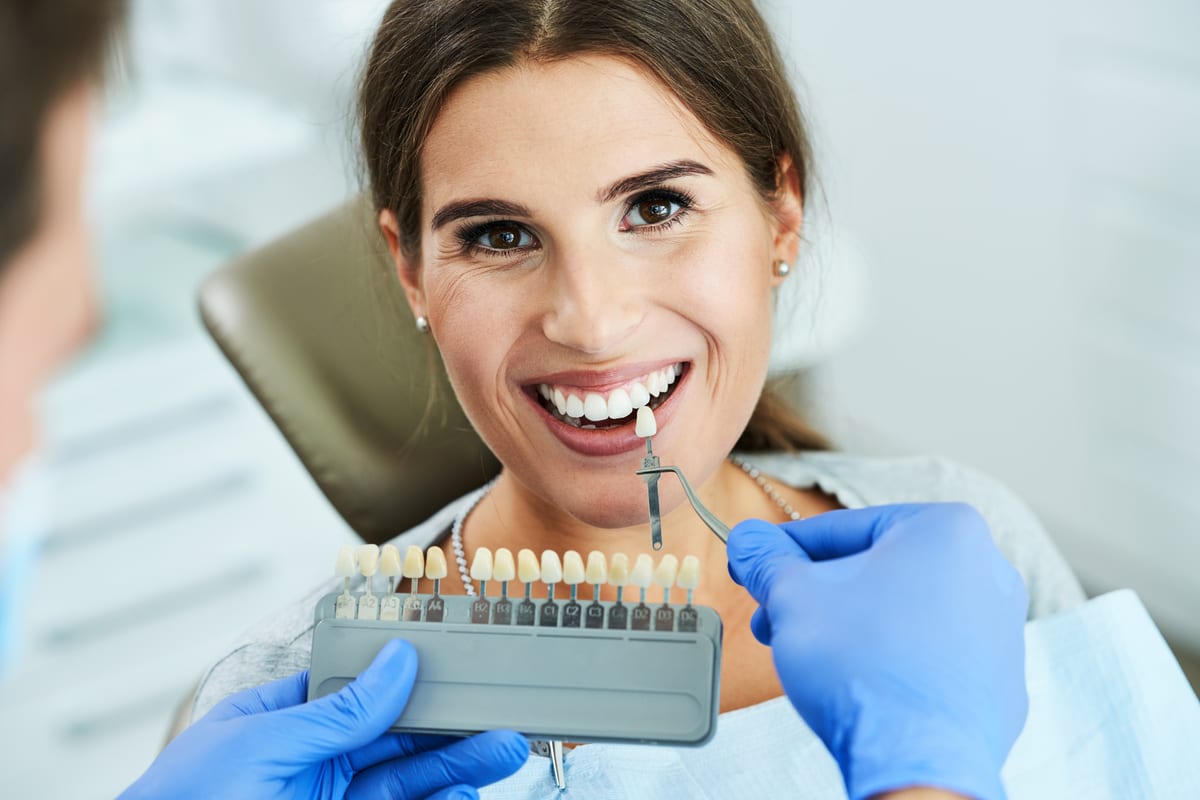
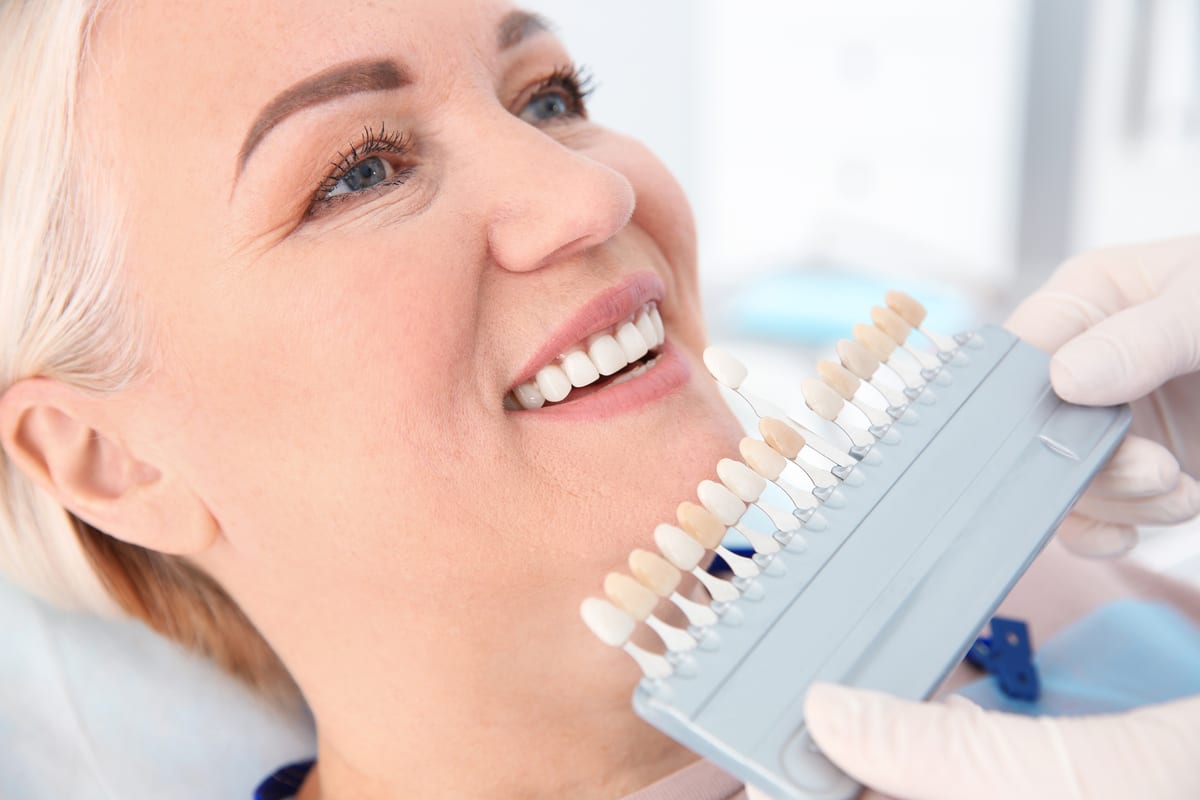
Dental veneers are thin shells bonded to the front surface of your teeth. They are typically made from porcelain or composite resin. Each veneer is custom-crafted to match your tooth’s shape, size, and natural color.
Porcelain veneers are the most popular choice. They resist staining and mimic the light-reflecting properties of natural enamel. Composite resin veneers are a faster, more affordable alternative, though they may not last as long.
The placement process usually requires two visits. During the first visit, Dr. Pham prepares your tooth by removing a thin layer of enamel. A dental lab then fabricates your custom veneer before it’s bonded permanently at your second appointment.
Veneers are considered a permanent treatment. Because enamel is removed, your teeth will always need a veneer or crown afterward. That’s why it’s important to fully understand the commitment before moving forward.
What Dental Veneers Actually Fix in The Woodlands
Veneers are remarkably effective at correcting a wide range of cosmetic concerns. They work best on teeth that are structurally sound but visually imperfect. Here are the most common problems they address:
- Staining and discoloration — Veneers cover intrinsic stains that whitening treatments cannot remove, including those caused by tetracycline or fluorosis.
- Chipped or cracked teeth — Minor chips and surface cracks disappear under a well-fitted veneer.
- Uneven or worn enamel — Teeth that appear short or worn down due to grinding can be lengthened with veneers.
- Small gaps between teeth — Minor spacing issues can be closed cosmetically without orthodontics.
- Mild misalignment — Slightly crooked or overlapping teeth can appear straighter with correctly shaped veneers.
- Misshapen teeth — Teeth that are too small, pointed, or oddly shaped can be resized and reshaped.
It’s worth noting that veneers address cosmetic concerns only. They don’t treat the underlying causes of these issues. That’s why Dr. Pham always evaluates your overall oral health before recommending veneers.
Good candidates have healthy gums and sufficient tooth enamel. A foundation of strong oral health makes cosmetic treatment far more successful and long-lasting.
What Dental Veneers Cannot Fix — Important Limitations
Veneers have real limitations that every patient should understand. They are a cosmetic solution, not a restorative or medical one. Knowing what they can’t fix helps you avoid disappointment and choose the right treatment path.
Veneers cannot fix the following:
- Severely decayed teeth — Active decay must be treated before any cosmetic work begins. A tooth with significant decay may need a crown instead.
- Gum disease — Placing veneers on unhealthy gums leads to failure. Gum disease treatment must come first.
- Severe misalignment or bite issues — Major crowding, underbites, or overbites require orthodontic treatment like Invisalign, not veneers.
- Tooth grinding (bruxism) — Patients who grind heavily may crack veneers prematurely. This must be managed before treatment.
- Missing teeth — Veneers only work on existing tooth structure. Missing teeth require implants, bridges, or dentures.
- Severely damaged or weakened teeth — A tooth that is mostly broken down may require a crown for proper protection.
If any of these issues apply to you, Dr. Pham will guide you toward the right solution first. Addressing health concerns before cosmetic treatment always produces better results.
Skipping foundational care to rush into veneers can lead to failure, discomfort, and extra costs down the line. The right sequence matters.
The Role of Preventive and Restorative Care Before Veneers
Cosmetic dentistry works best on a healthy foundation. Before any patient receives veneers at Victory Smiles, Dr. Pham completes a thorough oral health evaluation. This step is non-negotiable.
If you haven’t had a recent checkup, starting with Preventive Dentistry The Woodlands services is the smart first step. Routine cleanings and exams catch hidden issues that could compromise your veneer results. Healthy teeth and gums make cosmetic outcomes far more predictable.
Some patients also need restorative work before veneers are appropriate. If you have decay, old failing fillings, or damaged teeth, Restorative Dentistry The Woodlands treatments can rebuild your teeth’s strength and structure first. Think of restorative care as preparing the canvas before applying the paint.
This staged approach isn’t about adding extra appointments. It’s about making sure your investment in cosmetic dentistry lasts. Veneers placed on healthy teeth can last 10 to 15 years or longer with proper care.
Are You a Good Candidate for Veneers in The Woodlands?
Not every patient who wants veneers is immediately ready for them. The best candidates share a few key characteristics. Dr. Pham looks for the following during a consultation:
First, your gums and teeth should be free of active disease. Second, you should have enough natural enamel remaining to support bonding. Third, you should have realistic expectations about what veneers can achieve cosmetically.
Patients who grind or clench their teeth may still qualify for veneers. However, a custom night guard is usually recommended to protect the investment. Managing bruxism first significantly extends the life of your veneers.
If Invisalign or another orthodontic solution would better address your concerns, Dr. Pham will say so honestly. His goal is always to recommend what’s truly best for your smile and long-term oral health.
Start Your Veneer Journey at Victory Smiles
Understanding what dental veneers actually fix — and what they don’t — puts you in control of your smile decisions. Veneers are a powerful cosmetic tool when used in the right situations. They aren’t magic, but in the right hands and on the right patient, they deliver dramatic, lasting results.
Dr. James Pham and the team at Victory Smiles in The Woodlands take a thorough, patient-centered approach to every consultation. You’ll never be pushed into treatment you don’t need. Every recommendation is backed by an honest evaluation of your oral health and your goals.
If you’re ready to explore whether veneers are right for you, the next step is simple. Book Now to schedule your appointment with our team.
Frequently Asked Questions
How long do dental veneers last?
Porcelain veneers typically last 10 to 15 years with proper care. Composite resin veneers may last 5 to 7 years. Regular checkups, good brushing habits, and avoiding excessive force on your teeth help extend their lifespan significantly.
Do dental veneers hurt to get placed?
Most patients experience minimal discomfort during the veneer process. Dr. Pham uses local anesthesia during the tooth preparation stage. Some mild sensitivity is normal in the days following placement, but it typically resolves quickly.
Can veneers fix crooked teeth instead of braces?
Veneers can make mildly misaligned teeth appear straighter. However, they cannot correct significant crowding, bite issues, or severe misalignment. For more complex cases, Dr. Pham may recommend Invisalign before or instead of veneers.
Will my veneers look natural?
Yes, modern porcelain veneers are designed to blend seamlessly with surrounding teeth. Dr. Pham carefully matches the color, shape, and translucency to complement your natural smile. Most people won’t be able to tell you have veneers at all.
Can veneers be removed or reversed?
Veneers are considered a permanent treatment because a thin layer of enamel is removed during preparation. That enamel cannot grow back. Your teeth will always need a veneer or crown after preparation, so it’s important to make this decision thoughtfully with your dentist.