Many Pasadena residents ask the same question before scheduling a whitening appointment: is professional teeth whitening safe for your enamel and gums? It is a fair concern. Whitening products use peroxide-based agents that can cause sensitivity. However, professional treatments differ greatly from store-bought kits. This article breaks down the facts so you can make an informed decision about your smile.
How Professional Teeth Whitening Works
Professional whitening uses hydrogen peroxide or carbamide peroxide gels. These agents break apart stain molecules inside the enamel. The result is a noticeably brighter tooth color. Dentists control the concentration level to balance effectiveness with safety.
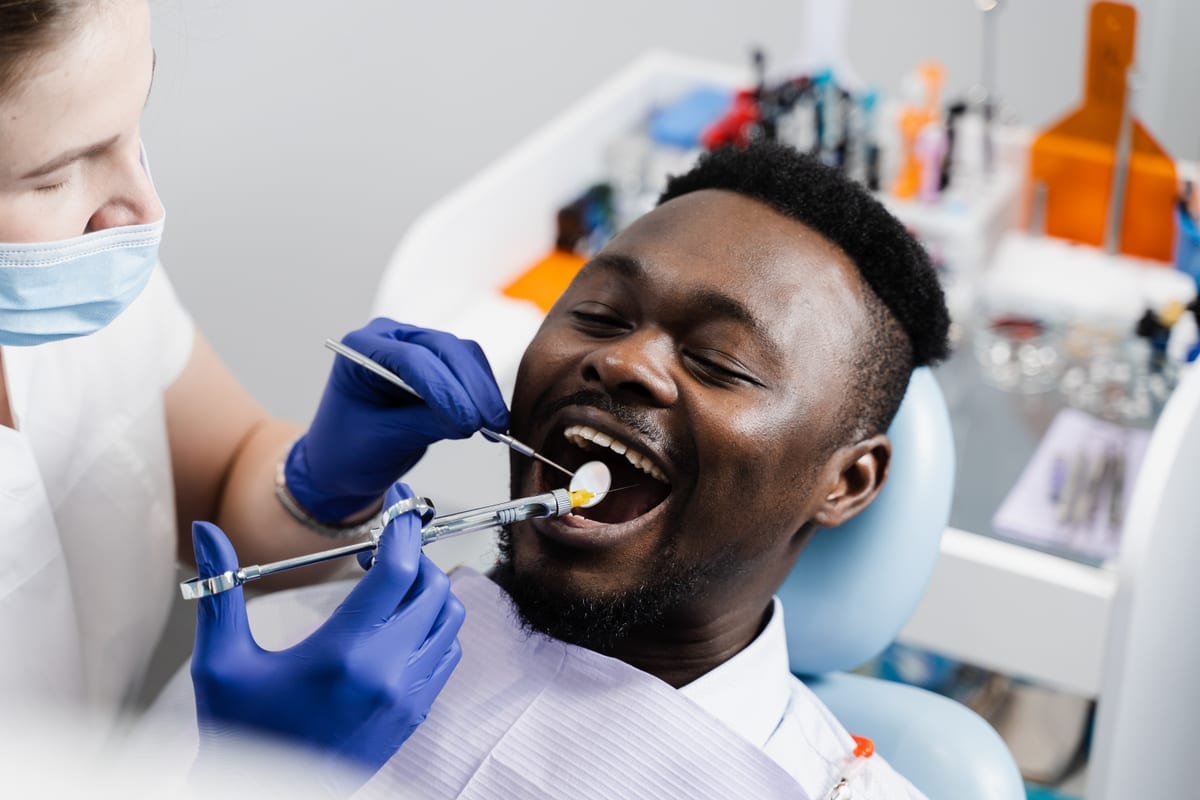
At a dental office, your gums receive protection before the gel is applied. A rubber dam or protective barrier shields soft tissue. This step alone makes professional whitening far safer than over-the-counter strips. Store-bought products rarely include this level of gum protection.
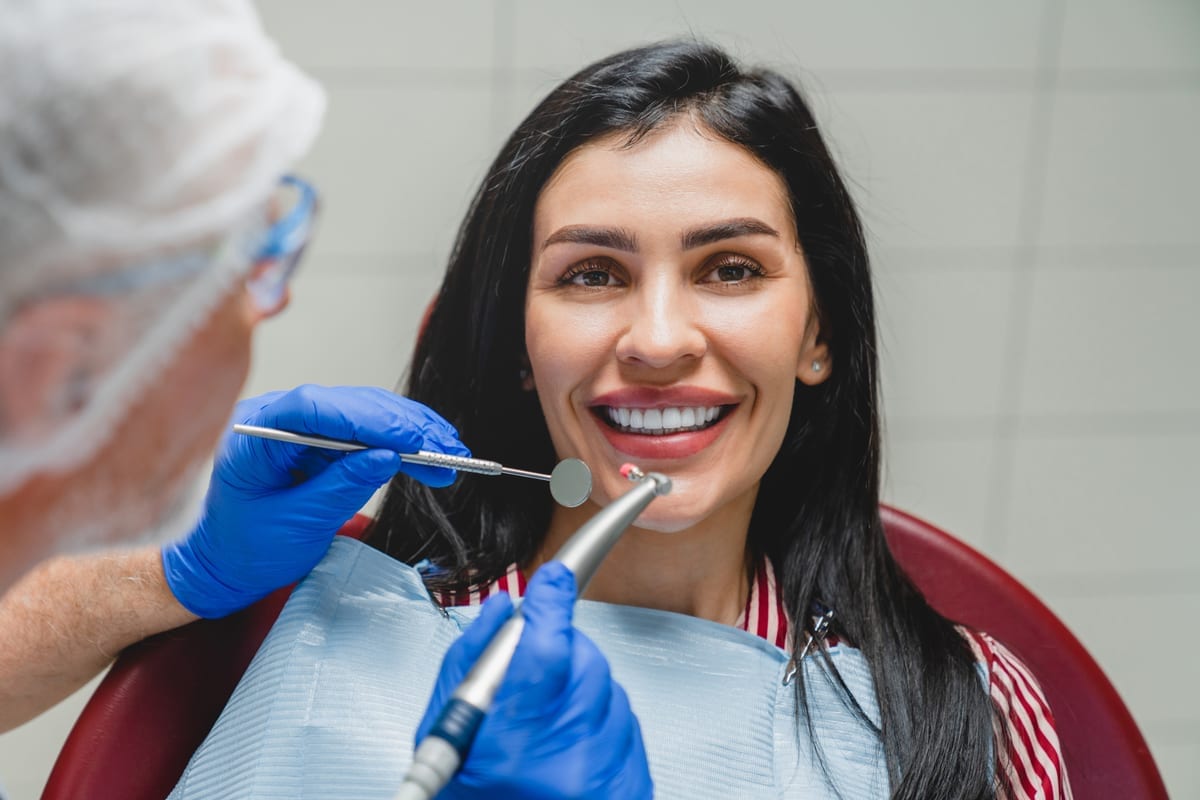
The treatment duration is also carefully timed by your dentist. Overexposure to whitening agents causes more sensitivity. A trained provider like Dr. Khanh Truong monitors each session closely. That oversight reduces the risk of enamel or gum damage.
Is Professional Teeth Whitening Safe for Enamel in Pasadena?
Enamel is the hard outer layer protecting each tooth. Many patients worry that whitening erodes or weakens this layer. Research shows that professional-grade whitening does not permanently damage healthy enamel. The key word here is healthy.
Whitening can cause temporary mineral changes in enamel. However, saliva naturally remineralizes the tooth after treatment. Most dentists also recommend fluoride treatments to speed up this process. Your enamel returns to its normal strength within a day or two.
Patients with pre-existing enamel erosion face higher risk. Thin or already weakened enamel may become more sensitive after whitening. This is why a dental exam before whitening is essential. Your dentist will assess your enamel health before recommending any treatment.
Good Preventive Dentistry Pasadena habits protect enamel long before whitening ever enters the picture. Routine checkups and cleanings keep enamel strong and reduce your whitening risks significantly.
Does Whitening Harm Your Gums?
Gum sensitivity is the most common side effect of teeth whitening. Patients often notice mild irritation during or after treatment. This usually fades within 24 to 48 hours. It is not a sign of permanent damage in most cases.
Professional whitening minimizes gum exposure through careful application. Dentists apply barriers to protect the gum line before using any gel. This technique greatly lowers the chance of chemical irritation. It is a significant advantage over at-home whitening trays that may not fit properly.
Patients with active gum disease should not undergo whitening. Inflamed or infected gum tissue reacts more severely to peroxide agents. Treating gum disease first is always the right step. Healthy gums respond much better to whitening procedures.
- Mild gum sensitivity is common and temporary
- Protective barriers significantly reduce gum irritation
- Active gum disease must be treated before whitening
- Ill-fitting trays increase the risk of gel contact with gums
- Professional supervision keeps gum exposure to a minimum
Who Should Avoid Professional Teeth Whitening?
Not every patient is a good candidate for whitening. Some dental conditions make whitening unsafe or ineffective. Knowing these contraindications helps you set realistic expectations. Your dentist will review your full dental history before recommending treatment.
Patients who should avoid or delay whitening include:
- Those with untreated cavities or active tooth decay
- Patients with exposed tooth roots due to gum recession
- People with crowns, veneers, or bonding on front teeth
- Pregnant or nursing individuals
- Children and teenagers under age 16
- Patients with severe enamel erosion or intrinsic staining
Whitening agents do not change the color of dental restorations. If you have crowns or veneers, whitening your natural teeth may create uneven color. A dentist can help you plan around existing Restorative Dentistry Pasadena work. That planning prevents mismatched results after treatment.
Intrinsic stains come from inside the tooth rather than the surface. These stains result from medications, trauma, or developmental issues. Peroxide-based whitening does not effectively treat intrinsic discoloration. Your dentist may suggest alternative cosmetic options in these cases.
Tips for a Safe Whitening Experience in Pasadena
Preparation matters when it comes to whitening safety. A professional cleaning before treatment removes surface plaque and tartar. Clean teeth allow whitening agents to work more evenly. It also helps your dentist evaluate your baseline oral health.
After whitening, avoid staining foods and drinks for at least 48 hours. Coffee, red wine, and dark sauces can re-stain freshly whitened teeth quickly. Drink water instead and stick to lighter-colored foods. This short-term adjustment protects your results significantly.
Using a sensitivity toothpaste before and after whitening helps reduce discomfort. These toothpastes contain potassium nitrate or stannous fluoride. Both ingredients calm nerve activity inside teeth. Ask Dr. Khanh Truong which product works best for your situation.
Follow-up appointments allow your dentist to monitor your enamel and gums. Any unusual sensitivity or irritation should be reported promptly. Most issues resolve quickly with proper aftercare. Your dentist can adjust future treatments based on how your teeth responded.
Conclusion
Professional teeth whitening is safe for most healthy patients when performed by a trained dentist. Enamel and gum risks exist but are manageable with proper preparation and professional oversight. The key is starting with a thorough dental exam. Patients in Pasadena can trust Dr. Khanh Truong at Victory Smiles Pasadena to evaluate their unique situation before recommending any whitening treatment. Book Now to schedule your appointment with our team.
Frequently Asked Questions
Does professional teeth whitening permanently damage enamel?
No, research shows that professional whitening does not cause permanent enamel damage in patients with healthy teeth. Temporary mineral changes occur but reverse naturally within one to two days. Saliva helps remineralize enamel after each whitening session. Patients with pre-existing enamel erosion should consult their dentist before proceeding.
How long does gum sensitivity last after whitening?
Gum sensitivity after professional whitening typically lasts 24 to 48 hours. Mild irritation is normal and not a sign of lasting harm. Using a sensitivity toothpaste and avoiding very hot or cold foods helps ease discomfort. Contact your dentist if sensitivity persists beyond two days.
Can I whiten my teeth if I have dental crowns or veneers?
Whitening agents do not change the color of crowns, veneers, or bonding materials. Whitening your natural teeth may create uneven coloring if restorations are present on front teeth. Speak with Dr. Khanh Truong about your options before beginning any whitening treatment. Alternative cosmetic solutions may provide more consistent results in these cases.
Is teeth whitening safe during pregnancy?
Dentists generally recommend avoiding teeth whitening during pregnancy and while nursing. There is limited research on the effects of peroxide agents on fetal development. The safest approach is to wait until after pregnancy and breastfeeding are complete. Your dentist can help you plan cosmetic treatments at the right time.
How often can I safely whiten my teeth?
Most dentists recommend professional whitening no more than once or twice per year. Overuse of whitening agents can increase enamel sensitivity and irritate gum tissue. Touch-up treatments at home between sessions can help maintain results safely. Always follow your dentist’s specific guidance based on your oral health needs.