
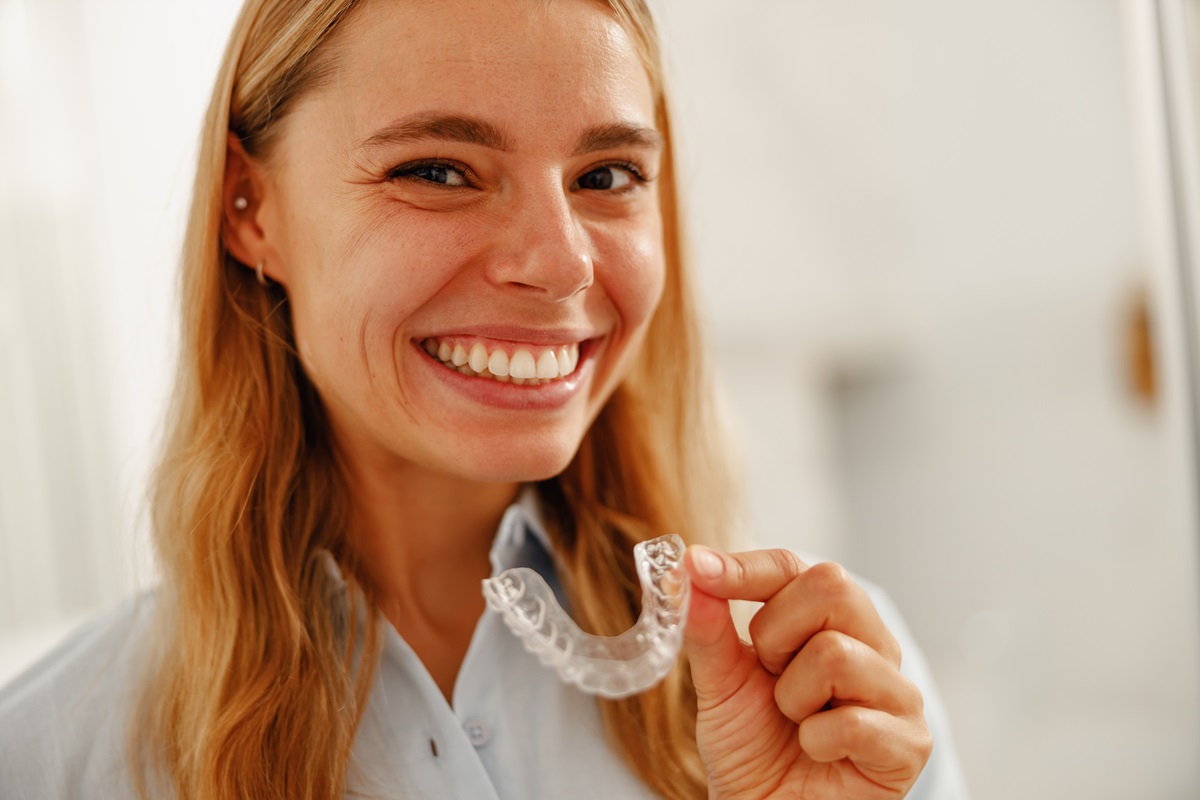
Want a straighter smile without the appearance of traditional metal braces? Invisalign clear aligners offer a discreet way to address many common alignment concerns. Because the trays are removable and made to fit your teeth, they can also make everyday eating and oral hygiene easier during treatment.
However, before starting, most patients have three important questions. How much does Invisalign really cost? How long will treatment take? And should you see a general dentist or an orthodontist?
If you are considering Invisalign in Huntsville, TX, understanding these details can help you compare your options and plan for treatment with confidence. Here is what to know before scheduling a consultation at Victory Smiles Dental Center.
What Can Invisalign Correct?
Invisalign uses a series of custom-made, clear plastic aligners to move teeth gradually into planned positions. Each set is designed to make specific adjustments, helping improve the alignment of your smile over time.
Depending on your dental condition, Invisalign may help address:
Crowded Teeth
Crowding happens when there is not enough space for teeth to sit properly. Overlapping teeth can make brushing and flossing more difficult. Clear aligners may help create a more even arrangement when the case is suitable for this treatment.
Gaps Between Teeth
Spaces between teeth can affect the appearance of your smile and sometimes allow food to become trapped. Invisalign may help close certain gaps by gradually moving the teeth closer together.
Mild to Moderate Bite Concerns
Some bite problems, including certain overbites, underbites, and crossbites, may be treated with clear aligners. However, more complicated bite or jaw concerns may require braces or another orthodontic approach.
Teeth That Have Shifted After Braces
Teeth can move over time, particularly when retainers are not worn as directed. Invisalign may be an option for adults who want to address mild or moderate shifting after previous orthodontic treatment.
A dental examination is necessary to determine whether aligners can achieve the desired result safely and effectively.
How Much Does Invisalign Cost in Huntsville, TX?
The cost of Invisalign depends on the amount of tooth movement required, the number of aligners, the length of treatment, and the complexity of your case. A short treatment for minor spacing may cost less than a plan involving more extensive alignment and bite correction.
At Victory Smiles Dental Center, patients can request a personalized Invisalign quote. The Huntsville Invisalign page also explains that the practice helps patients make the most of their dental insurance benefits and offers financing solutions and an in-house membership option.
If you are researching Invisalign in Huntsville, TX, schedule a consultation to receive an estimate based on your individual needs. The practice does not publish a fixed Invisalign price on its website, so an exact local cost should not be assumed without an examination and treatment plan.
What Factors Affect the Price?
- Treatment complexity: More extensive tooth movement may require additional aligners and appointments.
- Treatment duration: Longer treatment plans may involve more monitoring and adjustments.
- Insurance benefits: Some dental insurance plans include orthodontic coverage. Your actual benefit depends on your policy.
- Payment arrangements: Financing or membership options may help make treatment expenses easier to manage.
Before agreeing to treatment, request a written estimate that explains what is included. Ask whether retainers, replacement aligners, follow-up visits, and any additional procedures are part of the quoted price.
A Trusted Resource for Comparing Invisalign and Braces
The American Association of Orthodontists explains that orthodontists complete dental school followed by additional specialty training focused on tooth movement and jaw alignment. Its guide to choosing an orthodontist can help you understand what qualifications to look for when comparing providers.
This is useful when deciding who should manage your treatment. The type of aligner matters, but the provider’s ability to assess your bite, plan tooth movement, and monitor progress is equally important.
How Long Does Invisalign Treatment Take?
Invisalign treatment does not follow one fixed schedule for every patient. Victory Smiles’ Huntsville Invisalign page states that many patients complete treatment in approximately 6 to 18 months, depending on the complexity of their case and how consistently they wear their aligners.
Minor alignment concerns may require less time, while more involved corrections can take longer. Your dentist or orthodontist should provide an estimated timeline after examining your teeth and planning the necessary movements.
What Happens During Each Stage?
1. Initial consultation
Your provider examines your teeth and bite, discusses your concerns, and determines whether Invisalign may be suitable. Photos, X-rays, or digital scans may be needed to plan treatment.
2. Custom treatment planning
Your records are used to plan how your teeth should move. The provider reviews the proposed treatment and explains the expected timeline, aligner requirements, and cost.
3. Receiving your aligners
You receive a series of custom aligners and instructions on how to wear and care for them. Each set is designed to move your teeth gradually.
4. Progress appointments
You attend scheduled checkups so your provider can monitor tooth movement and address any concerns. If your teeth are not tracking as planned, adjustments to the treatment may be necessary.
5. Retainers after treatment
Once your active treatment is complete, retainers help keep your teeth in their new positions. Wearing them as directed is important because teeth can shift again over time.
Dentist or Orthodontist: Who Should Provide Invisalign?
Both general dentists and orthodontists may provide Invisalign treatment, but their training is different. A general dentist receives broad education in oral health and may offer clear aligner treatment with appropriate training and experience. An orthodontist is a dental specialist who completes additional education focused on tooth movement, bite correction, and jaw alignment.
The right provider depends on the complexity of your case and the experience of the professional managing it.
When a General Dentist May Be Suitable
A dentist who has appropriate Invisalign training and experience may be able to manage straightforward alignment concerns. This may include certain cases of mild crowding, spacing, or minor tooth shifting.
When an Orthodontist May Be a Better Choice
An orthodontist may be particularly helpful when treatment involves complex bite problems, significant tooth movement, or concerns about jaw alignment. Their additional specialty training focuses on diagnosing and treating these conditions.
Questions to Ask Before Choosing a Provider
Before starting, ask:
- What experience do you have treating cases similar to mine?
- Am I a suitable candidate for Invisalign?
- Would braces or another treatment option be more appropriate?
- Who will plan and supervise my treatment?
- How often will I need progress appointments?
- What happens if my teeth do not move as expected?
A good provider should explain the reasons behind the recommended treatment and help you understand your options without rushing your decision.
Is Invisalign Difficult to Maintain?
Invisalign requires consistency. Most patients are instructed to wear their aligners for approximately 20 to 22 hours each day, removing them for meals, drinks other than water, brushing, and flossing.
Clean your teeth before putting the aligners back in. Follow your provider’s instructions for cleaning the trays, and avoid eating while wearing them. Skipping wear time can affect how well the aligners fit and may delay progress.
You should also attend scheduled appointments and contact your provider if an aligner cracks, gets lost, or no longer fits properly.
Start Your Invisalign Journey at Victory Smiles in Huntsville
A straighter smile begins with understanding your options, your expected investment, and the time involved. Invisalign may offer a convenient alternative to traditional braces for suitable cases, but a personalized assessment is essential before choosing treatment.
Victory Smiles Dental Center offers Invisalign at its Huntsville location, along with other orthodontic and dental services. The Huntsville dentist listings include Dr. Roger Flippen, Dr. James Pham, and Dr. Khanh Truong. Contact the practice to confirm which provider handles Invisalign consultations and treatment at this location.
Victory Smiles Dental Center, Huntsville
- Address: 1333 Windsor St, Huntsville, TX 77340
- Phone: 936-296-7837
- Office hours: Monday through Thursday, 8:00 a.m. to 4:00 p.m.
- Services: Invisalign, orthodontic care, general dentistry, and other dental services
Call the office to schedule a consultation, discuss your smile goals, and request a personalized treatment estimate. With the right plan and consistent aligner wear, you can take a confident step toward a healthier-looking, more aligned smile.
Frequently Asked Questions
1. How much does Invisalign cost in Huntsville, TX?
The cost depends on the complexity of your case, the number of aligners needed, and the length of treatment. Victory Smiles provides personalized quotes rather than publishing a fixed price. Contact the Huntsville office for an estimate.
2. How long does Invisalign treatment usually take?
Many patients complete Invisalign treatment in approximately 6 to 18 months. The actual timeline depends on the amount of tooth movement required and how consistently you wear your aligners.
3. Is Invisalign better than traditional braces?
Neither option is automatically better for everyone. Invisalign is removable and less noticeable, while braces may be more suitable for certain complex tooth and bite corrections. Your provider can explain which option fits your dental needs.
4. Can a regular dentist provide Invisalign?
Yes. A general dentist with appropriate training and experience may provide Invisalign treatment. Orthodontists have additional specialty education focused on moving teeth and correcting bite concerns. Ask about the provider’s qualifications and experience before beginning.
5. Do I need to wear a retainer after Invisalign?
Yes. Retainers help maintain your results after active treatment because teeth can shift over time. Your provider will explain how often to wear your retainer and when it may need replacement.