Does your child dread the dentist? Science-backed strategies that actually work in Houston are helping families turn stressful appointments into manageable experiences. Dental anxiety in children is incredibly common. Researchers estimate that up to 20% of children avoid dental care because of fear. At Victory Smiles, Dr. Richard Truong and our team understand this deeply — and we are here to help.
The good news is that dental anxiety is not a character flaw. It is a predictable response that responds well to the right approach. You do not have to dismiss your child’s feelings or bribe them with candy. There are proven, respectful strategies that make a real difference.
Why Children Develop Dental Anxiety in Houston
Fear of the dentist often starts early. A single unpleasant experience can create a lasting association between dental offices and discomfort. Children are also highly sensitive to their parents’ emotions. If a parent feels nervous about dental visits, children often absorb that stress without a word being spoken.
The unfamiliar environment plays a role too. Strange sounds, bright lights, and unusual smells can overwhelm a young sensory system. Understanding the root cause of your child’s fear is the first step toward addressing it effectively.
- Fear of pain or needles
- Negative past dental experiences
- Parental anxiety transferred to the child
- Sensory sensitivities to sounds, lights, or smells
- Fear of losing control during treatment
Identifying the specific trigger helps you and your dentist create a targeted plan. Not every anxious child needs the same solution.
Science-Backed Strategies That Actually Work for Anxious Kids
Researchers have studied children’s dental anxiety for decades. The most effective strategies share one thing in common — they validate the child’s feelings first. Telling a child to
Frequently Asked Questions
What are the most common signs of dental anxiety in children?
Common signs include crying, resistance to sitting in the dental chair, complaining of stomach aches before appointments, and avoidance behaviors like hiding or refusing to open their mouth. Some children may also experience difficulty sleeping the night before a dental visit. Recognizing these signs early allows parents and dentists to implement calming strategies before anxiety escalates.
How can I prepare my child for their first dental visit in Houston?
Start by using positive language about dental health and avoid using fear-based words like “shot” or “pain.” Read children’s books about dental visits together, role-play the experience at home, and schedule the appointment at a time when your child is well-rested and less irritable. Bringing a comfort item like a stuffed animal can also help ease nervousness during the visit.
Should I stay in the treatment room during my child’s appointment?
This depends on your child’s age and anxiety level, and your dentist can provide personalized recommendations. While some children feel more secure with a parent present, others may actually feel more anxious knowing their parent is nearby worried. Many pediatric dental offices in Houston are trained to help children build confidence by gradually increasing independence during visits.
What desensitization techniques do pediatric dentists use for anxious children?
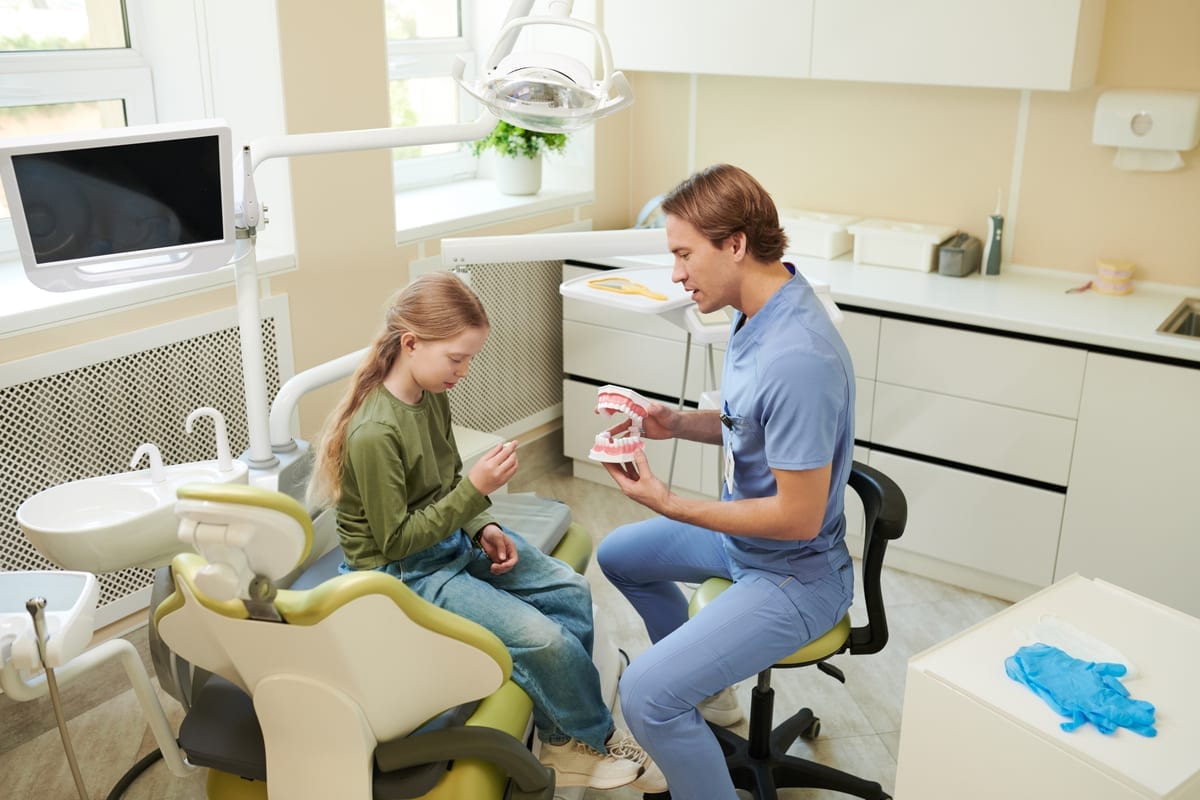
Pediatric dentists often use tell-show-do techniques, where they explain procedures in child-friendly language, show the instruments, and then use them on the teeth. Other techniques include using calming music, letting children hold mirrors to see what’s happening, and offering rewards or sticker charts for bravery. Progressive exposure to the dental environment helps children become more comfortable over time.
When should I consider sedation for my child’s dental anxiety?
Sedation options are typically considered when a child’s anxiety prevents necessary dental treatment or when extensive procedures are needed. Your pediatric dentist in Houston can discuss whether nitrous oxide, oral sedation, or other options might benefit your child based on their age, health history, and the complexity of their treatment. This decision should be made collaboratively between parents and the dental team.