Considering a dental bridge can feel overwhelming at first. Most patients in Huntsville come to us with the same concerns before starting treatment. We hear five questions about dental bridges most patients ask first in Huntsville nearly every week. This article answers each one honestly and clearly. Our dental team at Victory Smiles Huntsville wants you to feel informed and confident before your first visit.
What Exactly Is a Dental Bridge and How Does It Work?
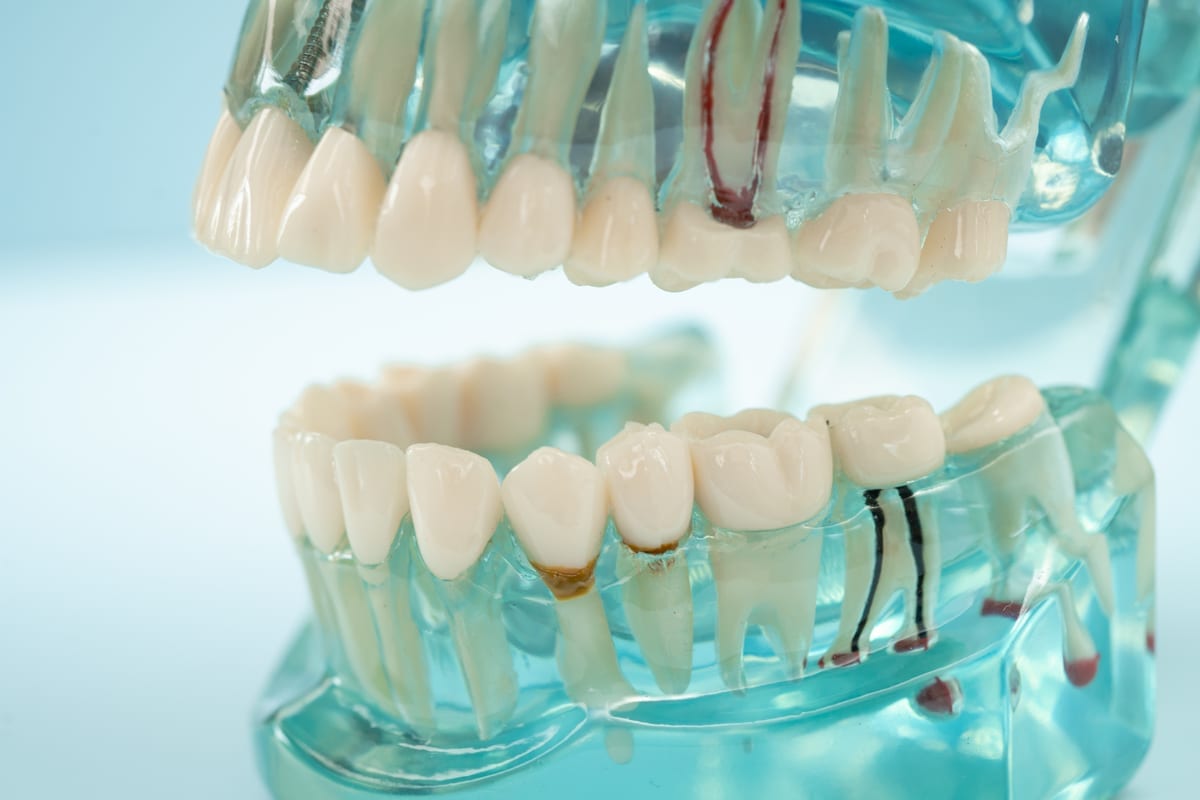
A dental bridge fills the gap left by one or more missing teeth. It uses artificial teeth, called pontics, anchored to natural teeth or implants on either side. Those anchoring teeth are called abutments. The bridge literally ‘bridges’ the space where teeth are missing.
Most traditional bridges use dental crowns placed over the abutment teeth to hold the pontic in place. The result looks and functions very much like your natural teeth. Your bite stays balanced, and neighboring teeth cannot shift into the empty space.
Bridges are a fixed restoration, meaning you cannot remove them like dentures. Many patients prefer this because the bridge feels completely natural in the mouth. You care for it just like your real teeth.
Am I a Good Candidate for a Dental Bridge in Huntsville?
Not every patient is the right fit for a bridge right away. Good candidates generally have healthy teeth on either side of the gap. Those neighboring teeth need to be strong enough to support the bridge structure. Our dental team evaluates your gum health and bone density during your consultation.
Patients with active gum disease usually need treatment first. Untreated gum disease can weaken the abutment teeth over time. Addressing it early protects both your natural teeth and any future restoration.
Here are common factors our team considers during evaluation:
- Overall health of surrounding teeth
- Gum tissue condition and bone support
- Number and location of missing teeth
- Your bite alignment and jaw function
- Long-term oral hygiene habits
If a bridge is not the best option for you, we will explain why and discuss alternatives. Cosmetic Dentistry solutions like implants may suit certain patients better. Our goal is always your best long-term outcome.
What Does the Dental Bridge Process Actually Look Like?
Understanding the steps ahead of time helps reduce anxiety. The process typically requires two appointments with our team. Here is a clear breakdown of what to expect:
- Consultation and planning: We examine your mouth, take X-rays, and discuss your goals.
- Tooth preparation: The abutment teeth are gently shaped to hold the crowns securely.
- Impressions: We take detailed impressions to create your custom bridge in a dental lab.
- Temporary bridge: You wear a temporary bridge while your permanent one is being made.
- Placement: At your second visit, we fit and cement your permanent bridge in place.
The preparation appointment involves some minor reshaping of the abutment teeth. Local anesthesia keeps you comfortable throughout. Most patients find the experience much easier than they expected.
The entire process from consultation to final placement typically spans two to three weeks. We schedule appointments at your convenience to fit your lifestyle. Regular Dental Cleaning visits after placement help maintain your bridge for years.
How Long Will My Dental Bridge Last?
A well-maintained dental bridge can last ten to fifteen years or longer. The lifespan depends heavily on your oral hygiene habits. Brushing twice daily and flossing under the bridge are essential steps. Skipping home care shortens the bridge’s life significantly.
Using a floss threader or water flosser makes cleaning under the pontic easier. Our team demonstrates proper technique at your follow-up visit. Small habits make a big difference in longevity.
Here are key practices that extend bridge life:
- Brush at least twice daily with a soft-bristle toothbrush
- Floss beneath the bridge using a threader or interdental brush
- Avoid chewing very hard foods like ice or hard candies
- Attend regular dental checkups every six months
- Address teeth grinding with a night guard if needed
Our dental team monitors your bridge at every checkup. Catching small issues early prevents larger problems later. With consistent care, many patients enjoy their bridges for well over a decade.
Does Getting a Dental Bridge Hurt?
This is one of the most common concerns we hear from new patients. The preparation appointment uses local anesthesia to numb the area completely. You should not feel pain during the procedure itself. Some mild soreness after the anesthetic wears off is completely normal.
Over-the-counter pain relievers typically manage any post-appointment discomfort well. Sensitivity in the abutment teeth may last a few days after preparation. This sensitivity usually fades as your mouth adjusts to the changes.
The final placement appointment is usually more comfortable than the first. We simply remove the temporary bridge and bond the permanent one in place. Most patients report very little discomfort at this stage.
If you experience pain that feels unusual or persists beyond a week, contact our office promptly. We take every concern seriously and want your recovery to go smoothly. Open communication with our team makes the entire experience better.
Conclusion: Your Dental Bridge Journey Starts With One Conversation
Dental bridges are a proven, reliable solution for missing teeth in Huntsville. Many patients walk in nervous and leave feeling reassured after just one appointment. Our dental team at Victory Smiles Huntsville is here to answer every question you have. We keep explanations clear and treatment plans honest. Book Now to schedule your appointment with our team.
Frequently Asked Questions
How much does a dental bridge typically cost?
The cost of a dental bridge varies based on the number of missing teeth, the type of bridge, and materials used. During your consultation, our team provides a detailed estimate so you know exactly what to expect before treatment begins.
Can a dental bridge be placed on the same day as my consultation?
Same-day placement is not typical for traditional bridges because a dental lab custom-fabricates your permanent bridge. The process usually involves two appointments spread over two to three weeks. This ensures the best possible fit and function.
Is there an age requirement for getting a dental bridge?
Most dental bridges are recommended for adults whose jawbones have fully developed. Our dental team evaluates each patient individually based on oral health, not just age. We discuss all options that fit your specific situation during your consultation.
What happens if I do not replace a missing tooth at all?
Leaving a gap untreated allows neighboring teeth to drift out of position over time. This shifting can affect your bite, cause jaw strain, and make other teeth harder to clean. Bone loss in the jaw can also occur in the area where the tooth is missing.
Will my dental bridge look natural?
Yes. Modern dental bridges are crafted to match the shape, size, and color of your surrounding teeth. Most people cannot tell the difference between a bridge and natural teeth. Our team works closely with skilled dental labs to ensure a seamless, natural-looking result.