Choosing a dental implant isn’t just about replacing a missing tooth, it’s about restoring comfort, confidence, and the ability to live without hesitation. Still, one of the most common concerns patients have is, “What happens after the procedure?”
Understanding the dental implant healing stages can make the entire experience feel more predictable and far less stressful. From the first day after surgery to the moment your final crown is placed, each phase plays a key role in building a strong, lasting result.
Let’s walk through what you can realistically expect—and how to support your healing every step of the way.
Key Takeaways
- Dental implant recovery typically involves four stages: placement, bone healing, gum healing, and crown placement
- Osseointegration (bone bonding) takes about 3–6 months
- Mild discomfort and slight swelling are common during the first few days after the procedure.
- Healthy healing shows as pink gums, reduced swelling, and stability
- Smoking, poor hygiene, and hard foods can delay recovery
- Full healing may take 3–12 months depending on your case
Dental Implant Healing Stages: Main Phases Explained
Healing after a dental implant doesn’t happen overnight, it’s a gradual, well-structured process. Each stage builds on the previous one to ensure long-term success for patients considering tooth replacement solutions in Pasadena TX.
Stage 1: Implant Placement Surgery
This is where your journey begins.
During the procedure:
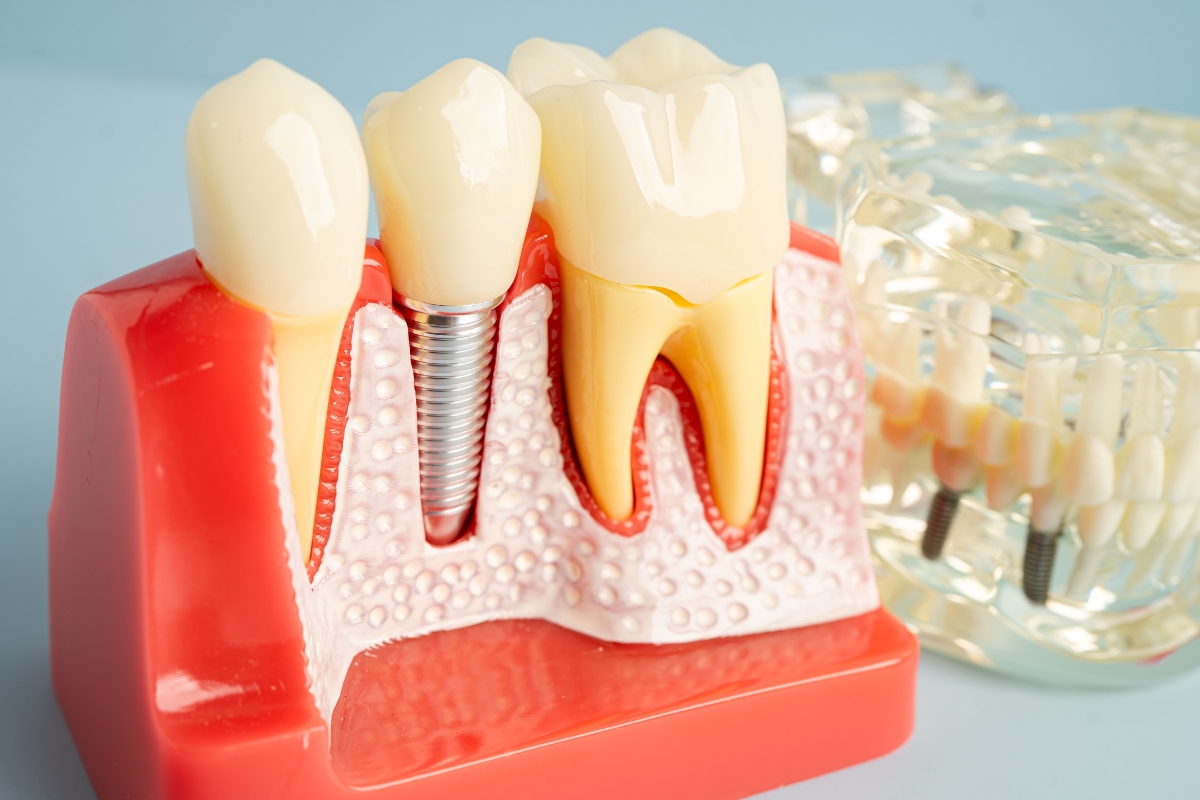
- A small titanium post is carefully inserted into the jawbone to act as an artificial tooth root.
- The gum is either closed over it or fitted with a healing cap
- Local anesthesia keeps you comfortable throughout
After surgery, it’s normal to experience:
- Mild swelling
- Tenderness
- Slight bleeding
These side effects typically begin to fade and improve within a few days as healing progresses. Rest, ice packs, and soft foods like mashed potatoes or yogurt can help you recover comfortably.
Stage 2: Osseointegration (Bone Healing Phase)
This is the most important and longest phase in the dental implant healing stages.
Over the next 3–6 months:
- Your jawbone gradually fuses with the implant
- The implant becomes stable like a natural tooth root
- The foundation for your future crown is formed
This process happens beneath the surface, so even if everything feels normal, your body is doing critical work. Maintaining good oral hygiene and avoiding smoking are especially important here.
Stage 3: Gum Healing and Abutment Placement
Once the bone has bonded with the implant, attention shifts to your gum tissue.
At this stage:
- A small connector (abutment) may be placed
- Gums heal around the implant structure
- Healing typically takes 1–2 weeks
This step helps shape your gums so the final tooth looks natural and fits properly. Many patients return to normal routines the very next day.
Stage 4: Final Crown Placement
This is the final step—and the most rewarding.
- A custom-designed crown is securely placed on top of the implant to complete your new tooth.
- It’s designed to match your natural teeth
- Function and appearance are fully restored
Once complete, your implant should feel just like a natural tooth.
What to Expect During the First Week
The first few days are when most patients notice symptoms, but they are usually mild and manageable after dental implant surgery in Pasadena TX.
Common Symptoms (First 3 Days)
- Mild to moderate pain
- Swelling around the gums or face
- Slight bruising
- Minor bleeding
These symptoms typically peak within 48–72 hours and then begin to improve.
Tips for Early Healing
To support recovery:
- Apply ice packs (15 minutes on/off)
- Eat soft foods like smoothies, oatmeal, or eggs
- Avoid straws, smoking, and alcohol
- Rest with your head slightly elevated
Small precautions during this time can make a big difference in how quickly you heal.
How Gums and Bone Heal
Healing after an implant happens on two levels, your gums and your jawbone.
Bone Healing (Osseointegration)
- Begins within weeks but takes months to complete
- Creates a strong anchor for your new tooth
- Cannot be seen, but is essential for success
Signs of Healthy Gum Healing
Look for:
- Light pink gums
- Reduced swelling after a few days
- No persistent bleeding
- Fresh breath and no unusual taste
If you notice increasing pain, pus, or swelling, it’s important to contact your dentist promptly.
Managing Pain and Discomfort
Many patients are pleasantly surprised by how smooth and manageable the recovery process feels.
What’s Normal?
- Mild soreness
- Swelling or puffiness
- Slight jaw stiffness
When to Be Concerned
Contact your dentist if you experience:
- Severe or worsening pain
- Fever
- Pus or discharge
- A loose implant
Simple Ways to Stay Comfortable
- Use ice packs within the first 24 hours
- Take prescribed or over-the-counter medication
- Avoid strenuous activity for a few days
Aftercare Habits That Support Healing
Your daily habits can directly impact how well and how quickly you heal.
Do’s
- Brush gently with a soft toothbrush
- Rinse with saltwater (starting after 24 hours)
- Eat nutrient-rich foods
Don’ts
- Avoid smoking and alcohol
- Avoid hard, crunchy, or sticky foods during the early healing phase to protect the implant site.
- Don’t touch or disturb the implant site
Consistency with these habits helps prevent complications and supports smooth healing.
What to Eat During Recovery
Diet plays a bigger role than many people realize.
Best Foods
- Yogurt
- Applesauce
- Mashed potatoes
- Scrambled eggs
- Smooth soups (not too hot)
Foods to Avoid
- Nuts and chips
- Spicy or acidic foods
- Sticky snacks
- Very hot beverages
Gradually reintroduce solid foods after about a week, depending on your comfort level.
Timeline for Final Crown Placement
The final crown is placed only after your implant is fully stable.
- Typically occurs after 3–6 months
- May take longer if bone grafting was required
- Confirmed through scans or X-rays
Temporary crowns may be used in visible areas while healing completes.
Special Considerations for Complex Cases
Some treatments require additional time and care.
- Full-mouth implants involve multiple healing sites
- Bone grafting extends recovery time
- Upper jaw implants may heal slower than lower jaw
Even in these cases, proper planning and aftercare lead to excellent outcomes.
Moving Forward with Confidence
If you’re considering dental implants in Pasadena TX or want personalized guidance for your recovery, schedule a consultation or reach out to us at (832)990-1925 to take the next step toward a healthier smile. With the right care and expert support, a healthier, more confident smile is well within reach at Victory Smiles Pasadena.
Frequently Asked Questions
1. How long does dental implant healing take?
Healing usually takes 3-6 months, but can extend up to 12 months with bone grafting or complex cases. Each stage ensures stability and long-term success.
2. Is swelling normal after dental implant surgery?
Yes, swelling is normal and typically peaks within the first 2–3 days. It gradually subsides with rest, ice packs, and proper care.
3. When can I eat normally again?
Most patients return to normal eating within 7–10 days. Start with soft foods and gradually reintroduce solid foods as comfort improves.
4. What are signs of implant failure?
Warning signs include severe pain, swelling, pus, or a loose implant. If you notice these symptoms, contact your dentist immediately.
5. Can I brush my teeth after implant surgery?
Yes, but avoid the implant site for the first few days. Continue gentle brushing and follow your dentist’s instructions for safe cleaning.