If you are an adult thinking about straightening your teeth, you face one big question. Should you choose Invisalign or traditional braces? Comparing Invisalign vs. braces — which straightening option actually fits your adult life in The Woodlands — comes down to several key factors. Comfort, visibility, lifestyle, compliance, and treatment scope all play a role. Dr. James Pham at Victory Smiles helps adults navigate this decision every day.
Invisalign vs. Braces: How They Look and Feel in Daily Life
Traditional metal braces use brackets and wires bonded to your teeth. They are visible, fixed, and noticeable in professional settings. Many adults feel self-conscious about this. That is a completely valid concern.
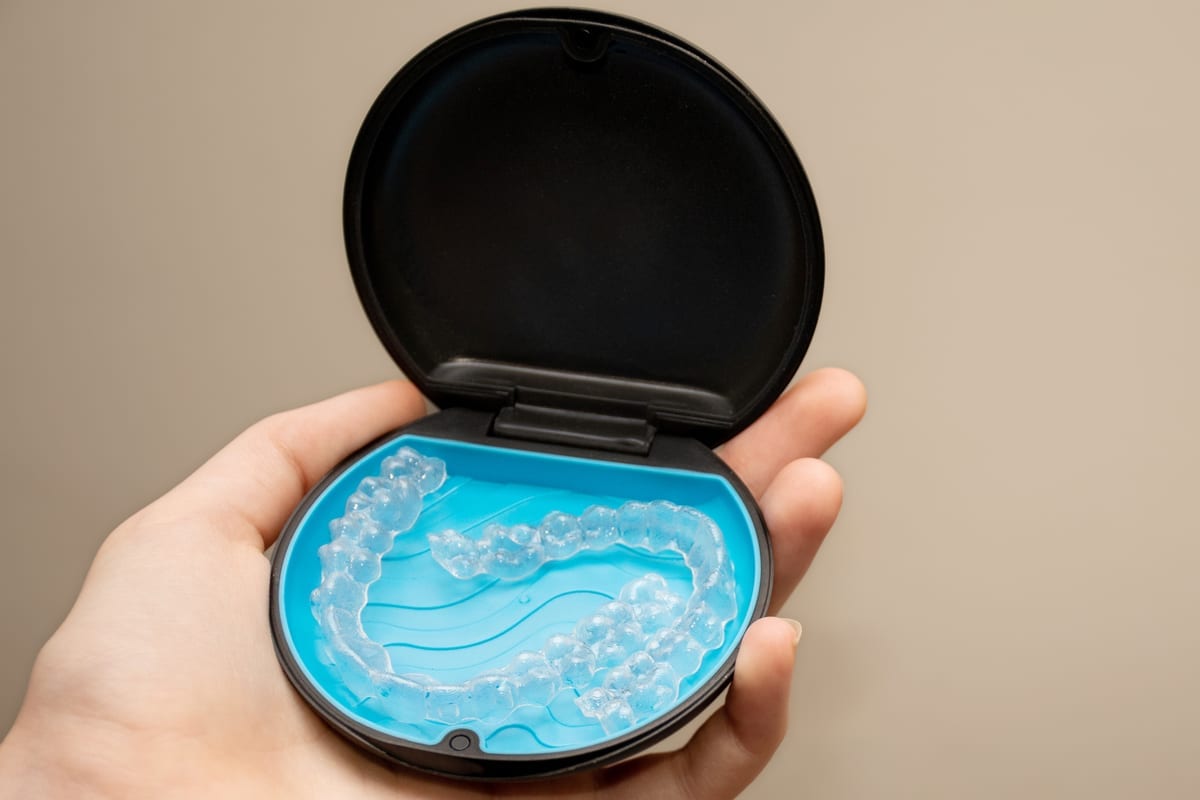
Invisalign uses clear, removable plastic aligners. Most people around you will not notice them at all. This matters greatly for adults in client-facing careers or social situations in The Woodlands community.
Comfort is another key difference. Metal brackets can irritate your cheeks and gums, especially in the first weeks. Invisalign aligners are smooth and made from soft plastic. They rarely cause the same level of mouth soreness.
However, braces do not require your willpower. They stay on your teeth and work around the clock. Invisalign requires you to wear aligners for 20 to 22 hours daily. Missing that window can slow your progress significantly.
Comparing Treatment Scope: What Each Option Can Correct
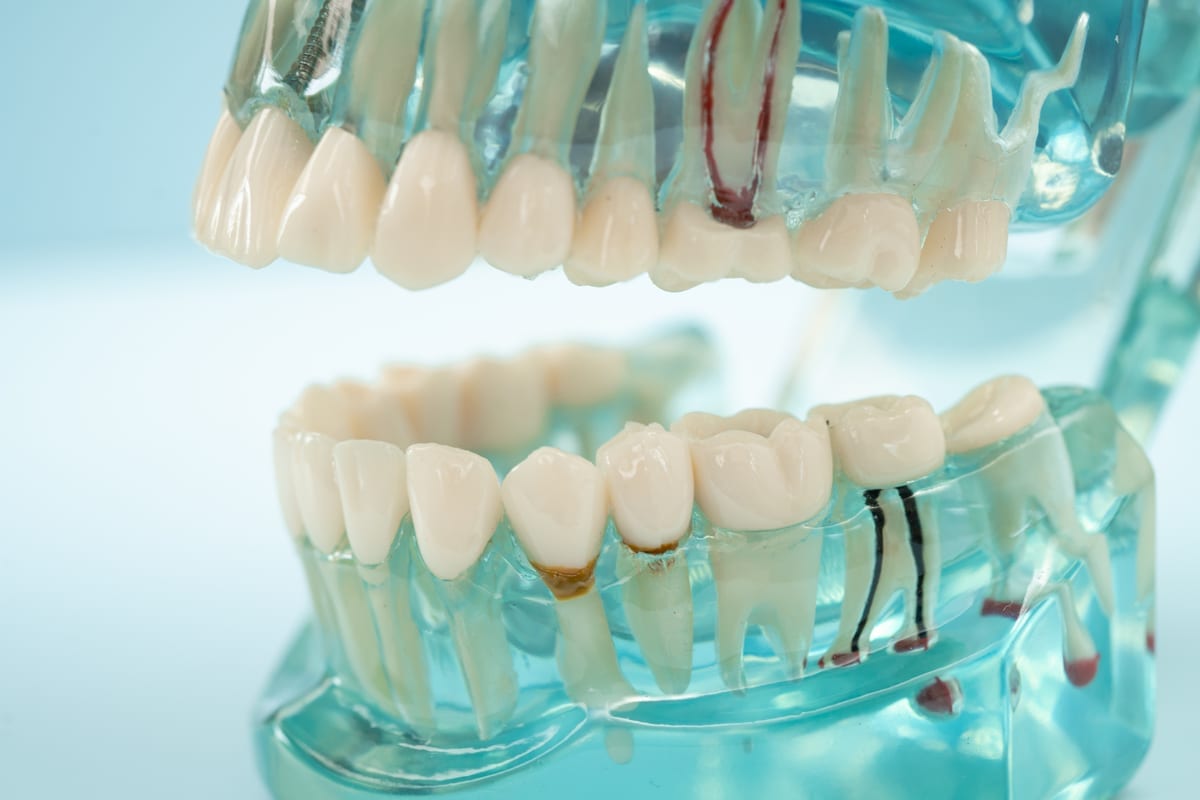
Traditional braces have been used for decades. They treat a very wide range of alignment issues effectively. Complex crowding, severe bite problems, and significant spacing all respond well to braces.
Invisalign technology has improved dramatically in recent years. It now handles many moderate to complex cases that older aligner systems could not. Still, some severe bite corrections require braces or a combination approach.
Here is a quick overview of what each option typically handles best:
- Traditional Braces: Severe crowding, complex bite issues, rotations, significant overbites or underbites
- Invisalign: Mild to moderate crowding, spacing, crossbites, mild overbites, and open bites
- Both options: Gap closure, general alignment, and aesthetic improvement for most adult patients
Dr. James Pham will evaluate your teeth and bite before recommending one approach over the other. A personalized exam is the only reliable way to know which option fits your specific needs.
Cost, Timeline, and Lifestyle Considerations for The Woodlands Adults
Treatment cost varies based on complexity and treatment length. Braces and Invisalign are often similar in price range for comparable cases. Invisalign sometimes costs more for complex treatment plans.
Treatment timelines also vary. Adults often take longer to respond than teenagers, regardless of the method chosen. Braces typically run 18 to 36 months. Invisalign treatment for adults often falls in a similar range.
Lifestyle fit matters just as much as cost. Consider these practical factors before deciding:
- Do you eat out frequently? Invisalign lets you remove aligners and eat anything you want.
- Are you an athlete or musician? Removable aligners offer flexibility that fixed braces cannot.
- Do you struggle with consistency? Braces require no compliance — they work whether you think about them or not.
- Do you travel for work? Invisalign check-ins are often less frequent than brace adjustment appointments.
- Do you grind your teeth? This should be discussed with Dr. Pham before starting either treatment.
Your daily routine in The Woodlands shapes which option will actually work for you. Honest self-assessment is just as important as clinical evaluation.
The Role of Preventive and Restorative Dental Health Before Orthodontic Treatment
Before starting any straightening treatment, your overall oral health must be in good shape. Cavities, gum disease, and damaged teeth must be addressed first. Straightening teeth that have underlying problems can make those problems worse.
Good Preventive Dentistry The Woodlands habits protect your teeth throughout orthodontic treatment. Regular cleanings and exams help catch issues early. This is especially important when wearing braces, which make cleaning harder.
If you have existing damage, decay, or missing teeth, those issues need attention first. Restorative Dentistry The Woodlands services address these concerns before orthodontic treatment begins. Starting with a healthy foundation always leads to better outcomes.
Dr. James Pham takes a whole-mouth approach to treatment planning. He will assess your gum health, bite, existing restorations, and bone structure before recommending Invisalign or braces. This thoroughness is what sets a comprehensive evaluation apart.
How to Make Your Final Decision: Invisalign vs. Braces in The Woodlands
There is no single right answer for every adult. The best choice depends on your case complexity, your lifestyle, and your personal preferences. Both options deliver real, lasting results when used correctly.
Ask yourself these questions before your consultation:
- How important is discretion and aesthetics to me daily?
- Can I commit to wearing aligners 20 to 22 hours every day?
- Do I have complex bite issues that may require more powerful correction?
- What is my realistic budget and timeline for treatment?
Bring these answers to your appointment with Dr. Pham. He will review your x-rays, assess your bite, and walk you through what each option realistically looks like for your specific case.
The goal is always the same — a healthier, straighter smile that improves your confidence and your long-term dental health. The path to get there simply looks different for each person.
Frequently Asked Questions
Is Invisalign really as effective as braces for adults?
For mild to moderate alignment issues, Invisalign is highly effective. Modern aligner technology has improved significantly. However, complex bite problems or severe crowding may still require traditional braces. Dr. James Pham can tell you which option fits your specific situation after a full evaluation.
How long does Invisalign treatment typically take for adults?
Most adult Invisalign treatments take between 12 and 24 months. Complex cases can take longer. Wearing your aligners for the recommended 20 to 22 hours per day is the single biggest factor in staying on track with your timeline.
Do braces or Invisalign hurt more?
Both options can cause mild discomfort during the adjustment period. Braces may irritate your cheeks with brackets and wires. Invisalign aligners cause pressure when you switch to a new tray. Most adults find Invisalign more comfortable overall, but individual experiences vary.
Can I get Invisalign if I have had braces before?
Yes. Many adults who had braces as teenagers experience shifting teeth over time. Invisalign is often a great option for these cases. Retreatment complexity varies, so Dr. Pham will assess your current alignment and recommend the most effective approach.
What happens after I finish braces or Invisalign treatment?
Retention is essential after any orthodontic treatment. Teeth naturally want to shift back toward their original positions. Most patients wear a retainer — either removable or bonded — to keep their results long term. Dr. Pham will provide a retention plan as part of your overall treatment.
Ready to find out which option is right for your smile? Dr. James Pham and the Victory Smiles team in The Woodlands are here to guide you through every step. Book Now to schedule your appointment with our team.