
If you’ve ever postponed a dental visit because of anxiety, you’re far from alone—and it’s nothing to feel embarrassed about. For many people, even the thought of a dental chair can bring back uncomfortable memories or fear of pain.
The good news? Modern sedation dental treatment types are designed to change that experience completely. Today’s techniques focus on comfort, safety, and control—so you can get the care you need without stress or worry.
In this guide, you’ll learn how each sedation option works, who it’s best for, and how to choose the safest one for your needs. If you’re considering treatment, speaking with a trusted sedation dentist in Pasadena can also help you better understand which option fits your comfort level and health needs.
What Is Sedation Dentistry?
Sedation dentistry uses carefully selected medications to help you relax during dental procedures. Depending on the type used, you may feel calm, drowsy, or completely unaware of the treatment.
The goal is simple:
- Reduce anxiety
- Minimize discomfort
- Help you feel in control
Dentists tailor sedation levels based on your comfort, health, and procedure—making it a highly personalized and safe approach.
Sedation Dental Treatment Types Explained
1. Nitrous Oxide (Laughing Gas)
How it works:
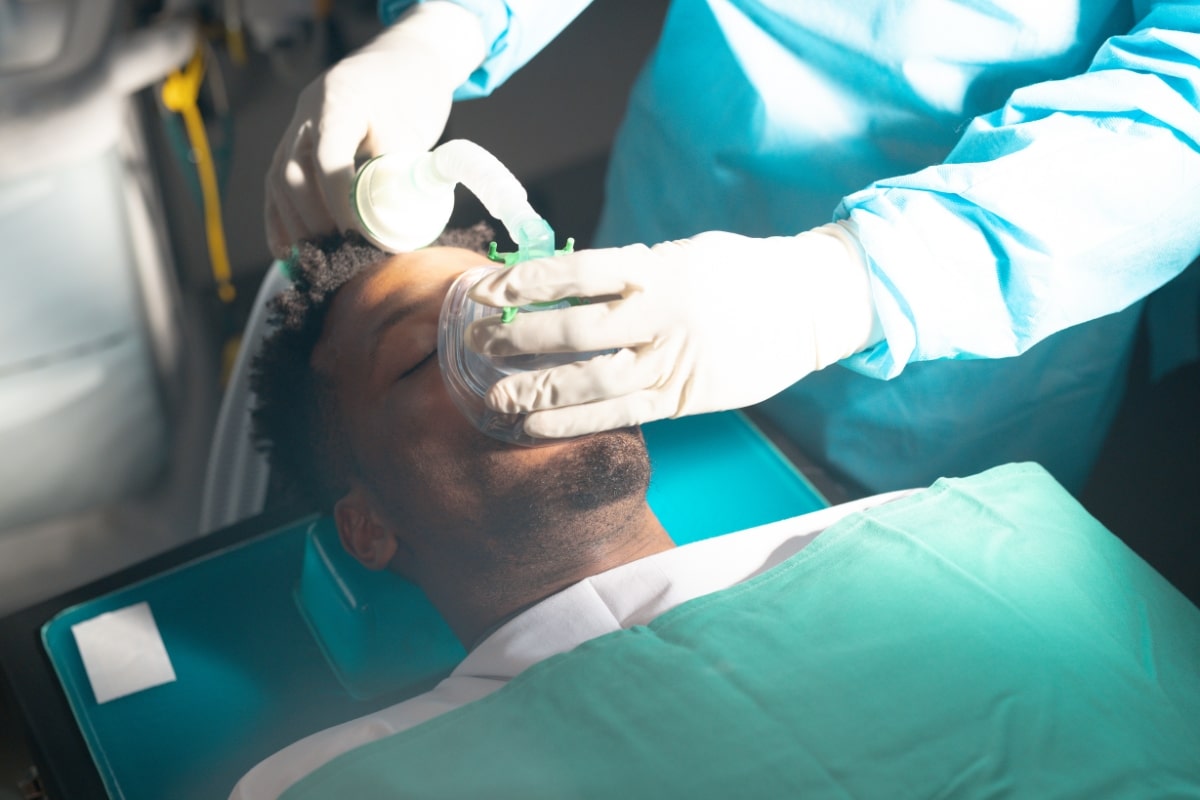
You inhale a mild sedative through a small mask placed over your nose. It works within minutes and wears off quickly.
Best for:
- Mild dental anxiety
- Routine cleanings or fillings
- Children or first-time patients
Why patients like it:
- Quick onset and recovery
- No lingering drowsiness
- You can usually drive yourself home
Safety level:
Very high. It’s one of the safest and most widely used sedation options.
2. Oral Sedation
How it works:
You take a prescribed pill before your appointment, helping you feel deeply relaxed by the time treatment begins.
Best for:
- Moderate anxiety
- Longer procedures
- Patients who prefer no needles
Why patients like it:
- Simple and convenient
- Stronger calming effect than nitrous oxide
- You may remember very little of the procedure
Safety level:
High when monitored by an experienced dental team.
3. IV Sedation
How it works:
Medication is delivered directly into your bloodstream, allowing your dentist to adjust the level of sedation in real time.
Best for:
- Severe dental anxiety
- Complex or lengthy procedures
- Multiple treatments in one visit
Why patients like it:
- Works immediately
- Deep relaxation
- Highly controlled and adjustable
Safety level:
Very high when performed by trained professionals with continuous monitoring.
4. General Anesthesia
How it works:
You are placed into a fully unconscious state, typically for surgical procedures in a controlled environment.
Best for:
- Extensive oral surgery
- Extreme dental phobia
- Special healthcare needs
Why patients like it:
- No awareness during treatment
- Ideal for complex cases
Safety level:
Safe under specialist supervision, but carries more risk than other sedation options.
Sedation for Dental Implants and Advanced Treatments
Procedures like dental implants often sound intimidating—but with the right sedation approach, they’re much more comfortable than expected.
Many patients choose sedation to:
- Ease anxiety before surgery
- Stay relaxed during the procedure
- Complete multiple treatments in fewer visits
Most common options:
- IV sedation for deep relaxation
- Oral sedation for moderate comfort
- General anesthesia for complex surgical cases
With proper sedation, these treatments can feel surprisingly smooth and manageable.
Which Sedation Option Is Safest for You?
The safest choice depends on your individual needs. Here’s a simple guide:
- Mild anxiety or children: Nitrous oxide
- Moderate anxiety: Oral sedation
- Severe anxiety or long procedures: IV sedation
- Surgical or complex cases: General anesthesia
Your dentist will consider:
- Medical history
- Anxiety level
- Type of treatment
- Age and overall health
This personalized approach ensures both safety and comfort throughout your care.
Understanding the Benefits and Limitations of Sedation Dentistry
Sedation dentistry can be a valuable option—but it’s important to understand both its advantages and when it may or may not be necessary.
Key Benefits
- Reduces anxiety and fear: Helps patients feel more at ease during treatment
- Improves comfort: Minimizes awareness of sounds, sensations, or time
- Supports complex procedures: Makes longer treatments feel shorter and more manageable
- Helpful for sensitive patients: Ideal for those with strong gag reflexes or low pain tolerance
Important Considerations
- Not every procedure requires sedation
- Some types require recovery time and assistance afterward
- Medical history plays a key role in determining suitability
Sedation isn’t a one-size-fits-all solution—it’s a carefully selected option based on your specific needs, comfort level, and overall health.
Take the First Step Toward Comfortable Dental Care
You deserve dental care that feels calm, safe, and manageable—not stressful. With today’s advanced sedation dental treatment types, there’s an option for every comfort level and need.
If you’ve been putting off treatment, this could be the moment to explore a more relaxed approach. A simple consultation can help you understand your options and move forward with confidence.
Schedule an appointment with Victory Smiles Dental Center today and discover how comfortable dental care can truly feel.
Frequently Asked Questions
1. Is sedation dentistry safe for everyone?
Yes, most patients can safely receive sedation with proper evaluation. Your dentist will review your medical history to choose the safest option for your specific needs.
2. How long does dental sedation last?
It depends on the type used. Nitrous oxide wears off quickly, while oral and IV sedation may take a few hours to fully wear off.
3. Will I feel pain during sedation dentistry?
No, most patients feel little to no discomfort. Sedation keeps you relaxed while the treated area is fully numbed for a comfortable experience.
4. Can I drive home after sedation?
Only with nitrous oxide. For oral or IV sedation, you’ll need someone to drive you home safely after your appointment.
5. Is sedation dentistry suitable for children?
Yes, especially nitrous oxide, which is commonly used for children. It’s gentle, safe, and helps young patients stay calm during treatment.