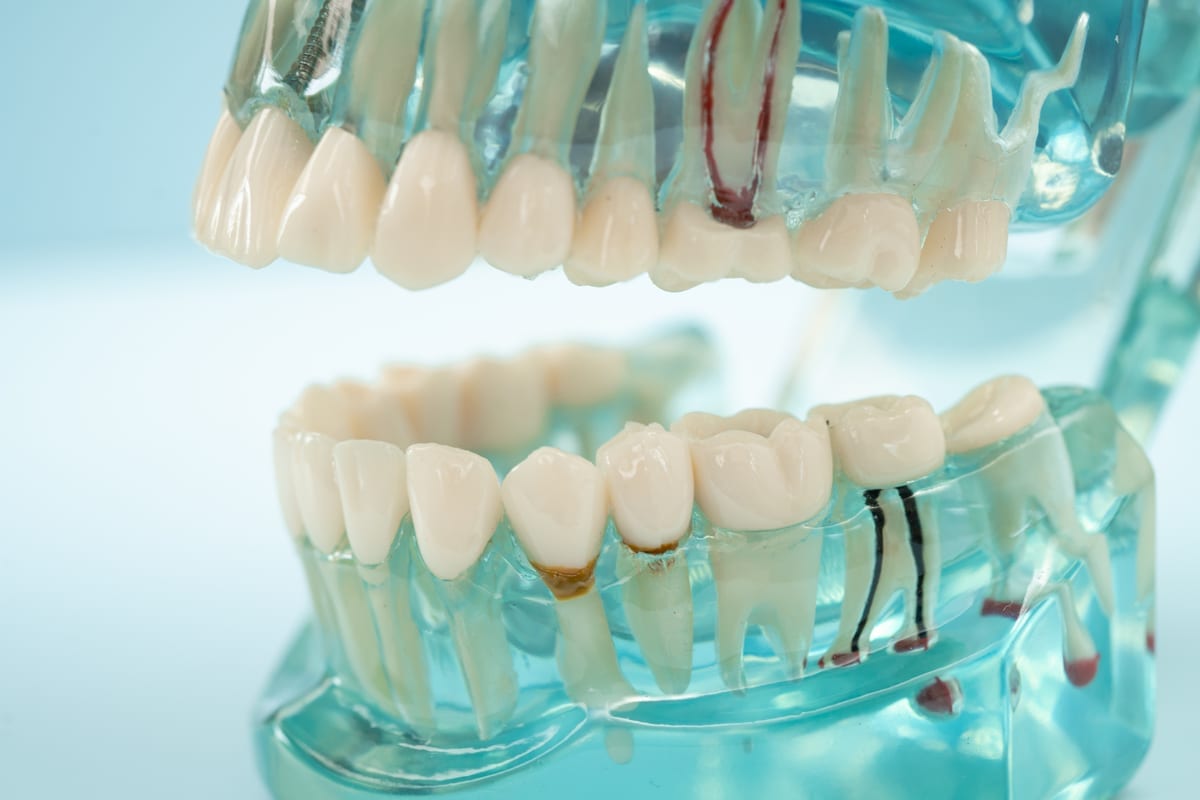

Understanding why your teeth change after 60 and what to do about it in Houston is important for every older adult. Your mouth goes through significant shifts as you age. Medications, hormonal changes, and years of wear all take a toll. The good news is that modern dentistry offers real solutions for every stage of life.
At Victory Smiles, Dr. James Pham works with Houston seniors every day. He understands that dental needs after 60 are different from those at 30. This guide will walk you through the most common changes and how to address them proactively.
How Aging Affects Your Teeth and Gums in Houston
After age 60, your body produces less saliva. Many common medications — including those for blood pressure and anxiety — make this worse. Saliva is your mouth’s natural defense against bacteria. Without enough of it, tooth decay accelerates quickly.
Gum recession is another major concern for older adults. As gums pull back, the softer root surfaces of your teeth become exposed. These roots are not protected by enamel. That makes them far more vulnerable to decay and sensitivity.
Enamel also becomes thinner and more brittle over time. Decades of chewing, grinding, and acidic foods wear it down. Cracks and chips become more common. Teeth may also appear more yellow as the inner dentin layer darkens with age.
Bone density in the jaw can also decrease. This affects how well teeth are anchored. It also plays a role in whether you qualify for certain restorative treatments later on.
Dry Mouth, Root Decay, and Why Houston Seniors Need Extra Attention
Dry mouth — also called xerostomia — is one of the leading causes of rapid tooth decay in seniors. Over 400 common medications list dry mouth as a side effect. These include antihistamines, antidepressants, and diuretics. If you take multiple medications, your risk increases significantly.
Root decay develops differently than standard cavity decay. It spreads faster and is harder to detect early. Many patients do not feel pain until the decay is advanced. That is why routine checkups become even more critical after 60.
Here are common signs that dry mouth may be affecting your oral health:
- Difficulty chewing or swallowing dry foods
- Persistent bad breath despite brushing
- A rough or sticky feeling inside your mouth
- Increased tooth sensitivity to hot or cold
- Frequent cavities in new areas of your mouth
Preventive Dentistry visits every six months allow Dr. Pham to catch root decay early. He can also recommend prescription fluoride treatments and saliva substitutes. These tools make a real difference in protecting aging teeth.
Restorative Options for Seniors: Dentures, Bridges, and Implant Candidacy
Tooth loss becomes more common after 60. This is not inevitable, but it does happen. When teeth are lost, replacing them quickly is essential. Missing teeth cause bone loss and shift surrounding teeth out of alignment.
Restorative Dentistry offers several excellent options for Houston seniors. The right choice depends on your health, bone density, and personal goals. Dr. Pham evaluates each patient individually before making any recommendation.
Here is a quick overview of the most common restorative solutions:
- Dentures — Removable full or partial replacements for multiple missing teeth
- Dental Bridges — Fixed restorations anchored to neighboring teeth
- Dental Implants — Titanium posts that replace tooth roots permanently
- Implant-Supported Dentures — A hybrid option offering stability and comfort
Implant candidacy is a common question among seniors. You need adequate bone density and good overall health to qualify. Conditions like uncontrolled diabetes or osteoporosis may affect eligibility. However, many seniors in Houston are excellent candidates after a thorough evaluation.
Dentures and bridges remain strong options when implants are not ideal. Modern dentures fit far better than older versions. Bridges are durable and restore full chewing function. Dr. Pham will help you weigh the pros and cons of each option.
What Houston Seniors Should Prioritize in Their Dental Routine
Your at-home routine matters just as much as your in-office care. After 60, small habits can have a big impact. Using the right products and techniques reduces your risk of serious problems. Here is what Dr. Pham recommends for patients in this stage of life.
First, switch to a soft-bristled toothbrush. Firm bristles can damage exposed root surfaces. Brush gently for two full minutes twice a day. Use fluoride toothpaste specifically designed for sensitive teeth if needed.
Drink more water throughout the day. This helps combat dry mouth naturally. Avoid alcohol-based mouthwashes, which worsen dryness. Alcohol-free rinses with fluoride are a better choice for seniors.
Watch your diet closely. Sugary and acidic foods accelerate root decay. Crunchy vegetables and dairy products support strong teeth. Staying hydrated also keeps saliva production at healthy levels.
Finally, do not skip dental appointments. Many seniors reduce visits due to difficulty traveling or other health concerns. But this is exactly when consistent care matters most. Victory Smiles makes every effort to accommodate patients with mobility or health challenges.
Sedation and Comfort Options for Older Adults at Victory Smiles
Dental anxiety is common among older adults. Past negative experiences, sensitivity, or complex treatment needs can make visits stressful. Dr. James Pham offers sedation dentistry options to make care more comfortable. These options are safe and carefully tailored to each patient’s health profile.
Laser dentistry is another benefit for seniors. Lasers reduce the need for incisions during many procedures. They also speed up healing and minimize discomfort. For patients with gum disease — very common after 60 — laser treatment is a gentle and effective choice.
Our team at Victory Smiles takes extra time with older patients. We explain every step before we begin. We work at your pace and prioritize your comfort throughout each visit. You should never feel rushed or overlooked in our care.
Frequently Asked Questions
Why do teeth decay faster after age 60?
Aging reduces saliva production, which normally protects teeth from bacteria. Many medications make dry mouth worse. Exposed root surfaces from gum recession are also softer and more decay-prone than enamel-covered areas. Frequent checkups and fluoride treatments help slow this process.
Are dentures the only option if I lose multiple teeth?
No, dentures are one of several options. Dental bridges and implants are also effective. Implant-supported dentures combine the stability of implants with the coverage of dentures. Dr. Pham evaluates your bone density and overall health to recommend the best solution for you.
Can gum recession be treated or reversed?
Gum recession cannot be fully reversed on its own. However, it can be stopped from progressing with proper care. Treatment options include deep cleaning, laser therapy, and in some cases gum grafting. Early detection during routine visits makes treatment more effective.
Is sedation dentistry safe for older adults?
Yes, when properly evaluated and monitored, sedation dentistry is safe for most seniors. Dr. Pham reviews your medical history and current medications before recommending any sedation option. He uses the most appropriate and minimal level needed to keep you comfortable.
How often should seniors visit the dentist?
Most seniors benefit from dental visits every six months. Those with dry mouth, gum disease, or a history of frequent cavities may need more frequent visits. Dr. Pham will create a customized schedule based on your specific oral health needs.
Your smile deserves great care at every age. Dr. James Pham and the team at Victory Smiles are here to support Houston seniors with expert, compassionate dental care. Book Now to schedule your appointment with our team.