Many Hudson residents brush their teeth twice a day and still end up with tartar. That might feel frustrating — but it is not your fault. Understanding why your toothbrush can’t remove tartar once it hardens in Hudson is the first step toward better oral health. The answer lies in a process most people never learned about in school.
Tartar forms when plaque is left on teeth too long. Once it hardens, no amount of brushing will break it loose. Only a trained dental professional using specialized tools can safely remove it. At Victory Smiles, Dr. Richard Truong helps Hudson-area patients understand this process and take real control of their oral health.
What Is Tartar and Why Does It Form?
Plaque is a soft, sticky film of bacteria that forms on your teeth constantly. Every time you eat or drink, bacteria in your mouth produce acids and biofilm. Brushing and flossing remove plaque while it is still soft. That is why daily brushing works — when it catches plaque in time.
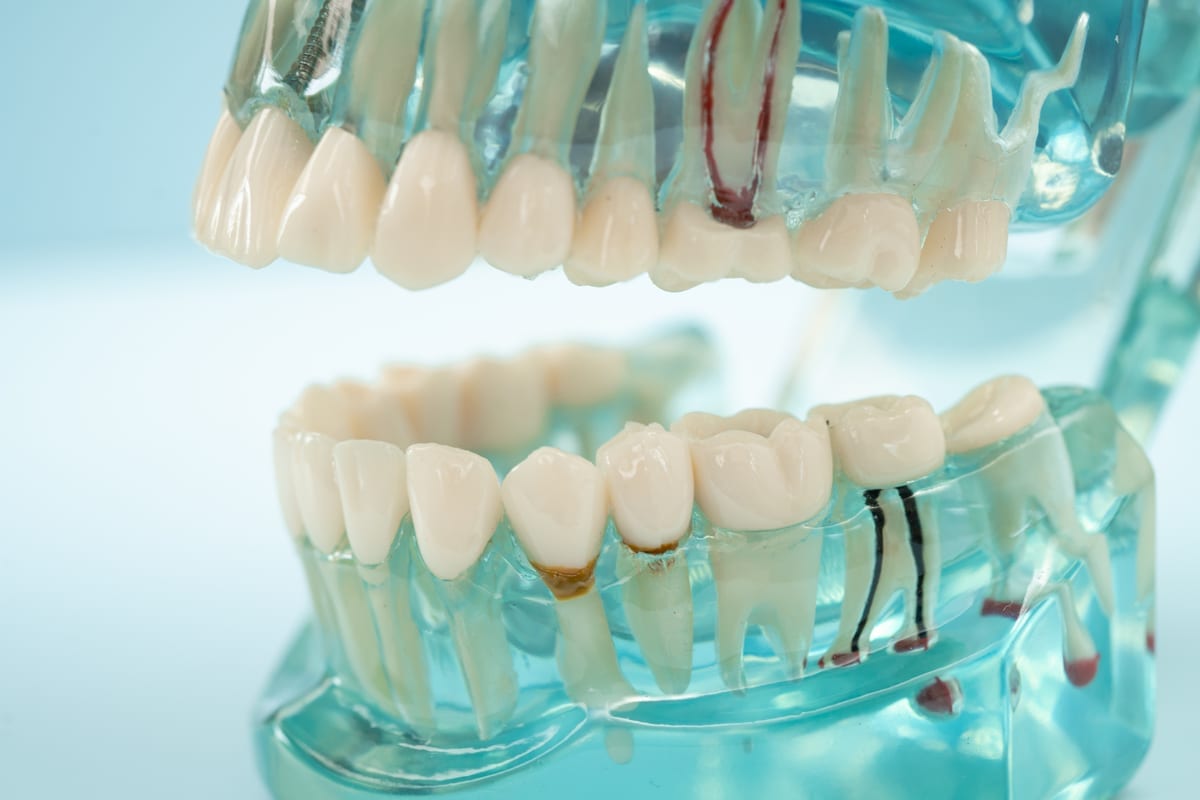
The problem starts when plaque is not fully removed. Within 24 to 72 hours, plaque begins to absorb minerals from your saliva. Over time, it calcifies and turns into tartar — also called calculus. At that point, it bonds to the tooth surface like a rock. No toothbrush, no matter how electric or expensive, can scrape it off.
Tartar does not just look bad. It creates a rough surface that attracts even more bacteria. It can form above the gumline, below it, or both. Left untreated, tartar leads to gum inflammation, bleeding, and eventually gum disease.
Why Your Toothbrush Can’t Remove Tartar Once It Hardens in Hudson
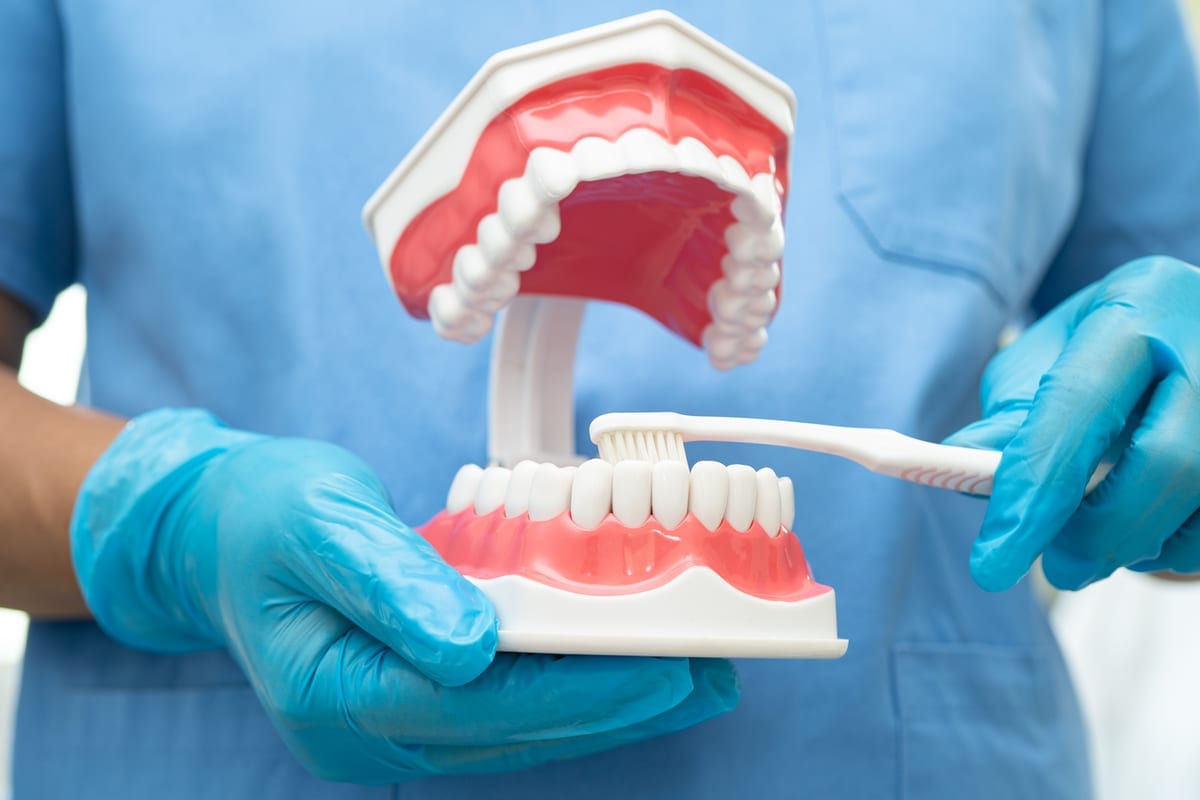
This is the core issue Hudson patients need to understand. Toothbrush bristles are soft by design — they are meant to clean soft plaque gently without damaging enamel. They simply cannot break down a hardened calcium deposit. It is like trying to scrub cement off a countertop with a sponge.
The same goes for toothpaste. Even tartar-control toothpaste cannot remove existing tartar. It may slow new tartar formation, but it has no effect on hardened deposits already attached to your teeth. Many people assume these products do more than they actually do.
That is why professional teeth cleanings are not optional — they are essential. Preventive Dentistry is built on this exact principle: regular care stops problems before they grow. A dental hygienist uses specialized metal instruments called scalers to physically chip away tartar safely. This process cannot be replicated at home.
What a Professional Cleaning Actually Removes
Many patients are surprised to learn how much a professional cleaning actually does. It goes far beyond what any home routine can accomplish. Here is what Dr. Truong and the team at Victory Smiles address during a professional cleaning visit:
- Supragingival tartar — hardened deposits visible above the gumline
- Subgingival tartar — deposits hidden below the gumline, often missed during home care
- Surface stains — from coffee, tea, and food that dulls enamel appearance
- Bacterial buildup — deep between teeth and along the gumline where floss rarely reaches
- Early signs of decay — caught and noted before they become serious cavities
After scaling, your hygienist polishes your teeth with a gritty paste. This smooths the enamel surface and makes it harder for plaque to cling on. The result is a cleaner mouth that stays cleaner longer between appointments.
For patients with heavy tartar buildup or early gum disease, a deeper cleaning called scaling and root planing may be recommended. This targets the root surfaces below the gumline. If left unaddressed, severe tartar buildup can lead to tooth loss — which may then require Restorative Dentistry to rebuild your smile.
Signs You May Have Tartar Buildup Right Now
Tartar is not always obvious — but your mouth often gives clues. Hudson patients should watch for these common warning signs:
- Yellow or brown deposits along the gumline
- Gums that bleed when brushing or flossing
- Chronic bad breath that does not go away with brushing
- Teeth that feel rough or gritty with your tongue
- Gum tenderness or swelling that comes and goes
If you notice any of these signs, do not wait for your next scheduled cleaning. Tartar buildup can progress quickly, especially in patients who have gone more than six months without a professional visit. Early intervention always leads to better outcomes.
It is also worth noting that some patients build tartar faster than others. Genetics, diet, dry mouth, and even certain medications can speed up tartar formation. This means your neighbor might go nine months without visible buildup while you develop it in three. Your cleaning schedule should be personalized — not one-size-fits-all.
How to Stay Ahead of Tartar Between Visits
Even though brushing cannot remove hardened tartar, it absolutely prevents plaque from hardening in the first place. The goal of home care is to stay ahead of the calcification process. Here are the habits that matter most:
- Brush for a full two minutes, twice daily, using fluoride toothpaste
- Floss every single day — especially along the gumline
- Use an antibacterial mouthwash to reduce bacterial load
- Drink plenty of water, especially after meals
- Reduce sugary and acidic foods that feed plaque-forming bacteria
- Schedule professional cleanings every six months — or more often if recommended
Dr. Truong often reminds Hudson patients that home care and professional care work together. Neither one replaces the other. Think of your toothbrush as maintenance and your professional cleaning as the reset your mouth needs to stay truly healthy.
Why Hudson Patients Trust Victory Smiles for Preventive Care
At Victory Smiles, the approach to dental health is rooted in education — not just treatment. Dr. Richard Truong takes time to explain what is happening in your mouth, why it matters, and what you can do about it. Hudson patients leave appointments knowing more than when they came in.
Our team uses modern instruments and techniques to make cleanings comfortable, thorough, and efficient. We also track tartar patterns over time to identify which areas of your mouth need more attention. That kind of personalized insight is only possible through regular professional care.
Whether you are coming in for a routine cleaning or have not visited a dentist in years, you will receive judgment-free, patient-centered care. We meet Hudson patients exactly where they are and help them move forward. Book Now to schedule your appointment with our team.
Frequently Asked Questions
Can tartar ever be removed at home?
No. Once plaque hardens into tartar, it cannot be removed by brushing, flossing, or any over-the-counter product. Only a dental professional using specialized scaling instruments can safely remove hardened tartar from your teeth and gumline.
How quickly does plaque turn into tartar?
Plaque can begin calcifying into tartar in as little as 24 to 72 hours. This is why consistent daily brushing and flossing are so important. Missing even one or two days can allow plaque to start hardening in areas that are difficult to reach.
How often should Hudson patients get a professional cleaning?
Most patients benefit from a professional cleaning every six months. However, patients who build tartar quickly, have gum disease, or have other risk factors may need cleanings every three to four months. Dr. Truong will recommend the schedule that fits your specific needs.
Is tartar removal painful?
For most patients, tartar removal is not painful — just a little uncomfortable at times. Patients with sensitive gums or significant buildup may feel more sensitivity. The Victory Smiles team uses gentle techniques and can offer options to keep you comfortable throughout the appointment.
What happens if tartar is left untreated for too long?
Untreated tartar leads to gingivitis, which is early-stage gum disease. If ignored further, it can progress to periodontitis — a serious infection that damages the bone supporting your teeth. In advanced cases, teeth may loosen or require extraction. Early and regular cleanings prevent this entirely.