
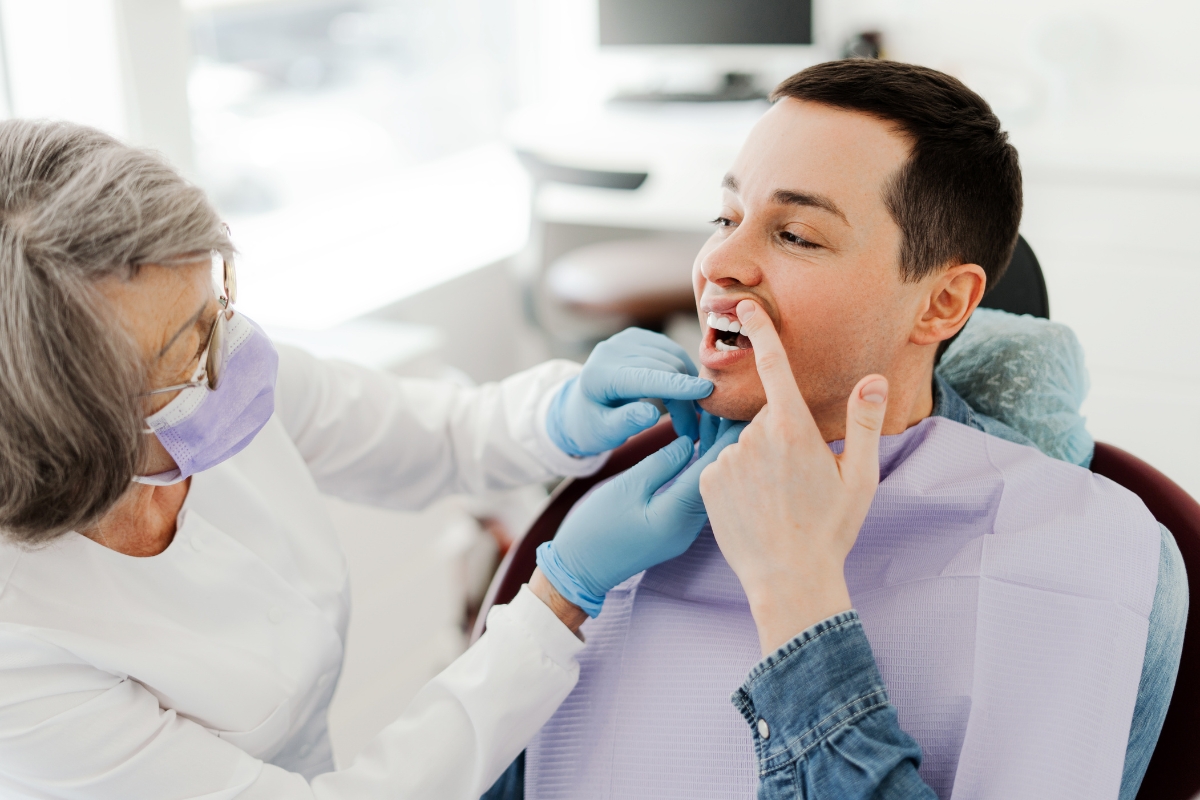
There’s a particular kind of anxiety that comes with walking into a dental office for the first time even if your teeth feel perfectly fine. Maybe you’ve moved to The Woodlands recently and need to establish care with a new provider. Or perhaps it’s just been a while, and you’re not quite sure what you’re walking into. Either way, the uncertainty of not knowing what’s going to happen is often worse than the appointment itself.
The good news? A first dental visit in The Woodlands is far less intimidating than most people expect, especially when you know what’s coming. This post walks you through the entire process, step by step, so you can walk in prepared and walk out with a clear picture of your oral health.
What to Bring to Your First Dental Appointment?
Most dental offices will ask you to complete some paperwork before your appointment either online or when you arrive. This typically includes:
- Your medical history and any current medications
- Insurance information (if applicable)
- Any dental concerns or symptoms you’ve been experiencing
- Emergency contact details
It’s worth filling this out carefully. Your medical history matters more than you might think, certain conditions and medications can directly affect your oral health and influence how your dentist approaches your care.
Step 1: A Conversation About Your Oral Health Goals
Your first appointment isn’t just about what the dentist sees, it’s also about what you feel. Before any examination begins, a good dentist will take a few minutes to simply talk with you.
Expect questions like:
- Have you noticed any pain, sensitivity, or bleeding gums?
- Are there any cosmetic concerns you’d like to address?
- How long has it been since your last dental visit?
- Do you have any anxiety around dental treatment?
This conversation sets the tone for everything that follows. It’s also your opportunity to be open about any fears or past experiences. A dentist who listens before they look is one worth keeping.
Step 2: Dental X-Rays
For most new patients, X-rays are a standard part of the dental checkup procedure. They allow your dentist to see what’s happening beneath the surface, things that can’t be spotted with the naked eye, like decay between teeth, bone loss, or impacted teeth.
The most common types taken at a first visit include:
- Bitewing X-rays — Show the upper and lower back teeth and help detect cavities between teeth
- Periapical X-rays — Capture a full view of individual teeth, including the root
- Panoramic X-rays — Provide a broad view of the entire mouth, jaw, and surrounding structures
Modern X-rays use very low levels of radiation and take only a few minutes. If you’re pregnant or have concerns, let your dental team know — they’ll take the appropriate precautions.
Step 3: The Comprehensive Dental Exam
This is the heart of your first visit. During the exam, your dentist will carefully evaluate your entire mouth. Here’s what the dental exam and cleaning steps typically involve:
Gum and Periodontal Assessment: Your dentist or hygienist will measure the depth of the spaces between your gums and teeth using a small probe. Healthy gum pockets are generally 1–3mm deep. Deeper measurements can indicate early signs of gum disease.
Tooth-by-Tooth Examination: Each tooth is checked for signs of decay, cracks, wear, or existing restorations that may need attention. Your bite alignment may also be evaluated at this stage.
Oral Cancer Screening: This is a quick but important part of every comprehensive exam. Your dentist will check the soft tissues of your mouth, tongue, and throat for any unusual spots or changes. It takes less than two minutes and can be genuinely life-saving.
Review of X-Ray Findings: Once the physical exam is complete, your dentist will walk you through the X-ray images and explain what they show — clearly, without overwhelming you with jargon.
Step 4: Professional Cleaning
After the exam, a dental hygienist typically performs a professional cleaning, also called a prophylaxis. Even if you brush and floss diligently, there are places at home that are nearly impossible to reach effectively.
The cleaning process includes:
- Scaling — Removing hardened tartar (calculus) that regular brushing can’t eliminate
- Polishing — A gritty paste is used to gently polish the tooth surfaces, removing surface stains
- Flossing — Professional flossing cleans between teeth and checks for any areas that bleed or feel tender
- Fluoride treatment — Often applied at the end, particularly for patients at higher risk of decay
The whole cleaning typically takes 30–60 minutes depending on how much buildup is present.
Step 5: Your Treatment Plan and Next Steps
Once the exam and cleaning are complete, your dentist will sit down with you and go over their findings. If everything looks healthy, you’ll simply be scheduled for your next routine visit — usually six months out.
If any issues were found, your dentist will explain your options clearly and without pressure. You’ll leave knowing exactly what needs attention, what can wait, and what the costs involved look like.
This is where working with a trusted dental care in The Woodlands really makes a difference. A practice that prioritizes patient education over upselling will help you make informed decisions, not rushed ones.
How Long Does the First Visit Take?
Most first dental visits run between 60 and 90 minutes. This is longer than a typical recall appointment because it includes a full medical and dental history review, comprehensive exam, X-rays, and cleaning, all in one sitting.
If you have a particularly busy schedule, it’s worth letting the front desk know when booking. Some offices can break the visit into two shorter appointments if needed.
Tips to Make Your First Visit Smoother
A little preparation goes a long way. Before your first dental visit in The Woodlands, keep these things in mind:
- Arrive 10-15 minutes early to complete any remaining paperwork
- Bring your insurance card and a valid photo ID
- List any medications you’re currently taking
- Avoid eating a heavy meal right before your cleaning
- Don’t be afraid to ask questions about anything
Take the First Step Toward a Healthier Smile
Getting through that first appointment is always the hardest part. Once you know what to expect and have a dental team you trust, staying on top of your oral health becomes second nature.
At Victory Smiles, the focus is on making every patient feel comfortable, informed, and genuinely cared for, from the moment you walk in to the moment you leave. Whether it’s been six months or six years since your last visit, there’s no judgment here, just a team ready to help you get where you want to be.
Schedule your appointment with Victory Smiles today and take the first step toward a healthier, more confident smile.
Frequently Asked Questions
Q: Do I need to do anything special to prepare for my first dental visit?
No special preparation is needed. Simply bring your ID, insurance information, and a list of any current medications. Brushing before your appointment is always appreciated.
Q: Will my teeth be cleaned at the first appointment?
In most cases, yes. A cleaning is typically included as part of the first comprehensive visit, though this can vary if more complex treatment needs are identified during the exam.
Q: Is the dental exam painful?
A routine exam is generally painless. Some patients experience mild sensitivity during gum probing or cleaning, but discomfort is minimal and brief.
Q: What happens if they find a cavity on my first visit?
Your dentist will inform you and discuss your treatment options. A cavity found at a routine exam is not an emergency, it will be scheduled for a separate appointment at your convenience.
Q: How often should I visit the dentist after my first appointment?
For most patients, every six months is the standard recommendation. Patients with gum disease or higher decay risk may need to come in more frequently. Your dentist will advise accordingly.