
You brush twice a day, try to floss (most days), and still find yourself sitting in the dentist’s chair hearing the words “there’s some decay here.” It happens to more people than you might think, in fact, tooth decay is one of the most common health conditions worldwide. The good news? Not every decaying tooth is a lost cause. With the right knowledge and timely action, many teeth can be saved, and your smile can stay intact.
If you’ve been wondering how to save decaying teeth whether for yourself or someone you love this guide walks you through everything you need to know: the warning signs, what causes decay in the first place, and when treatment can still turn things around.
What Exactly Is Tooth Decay?
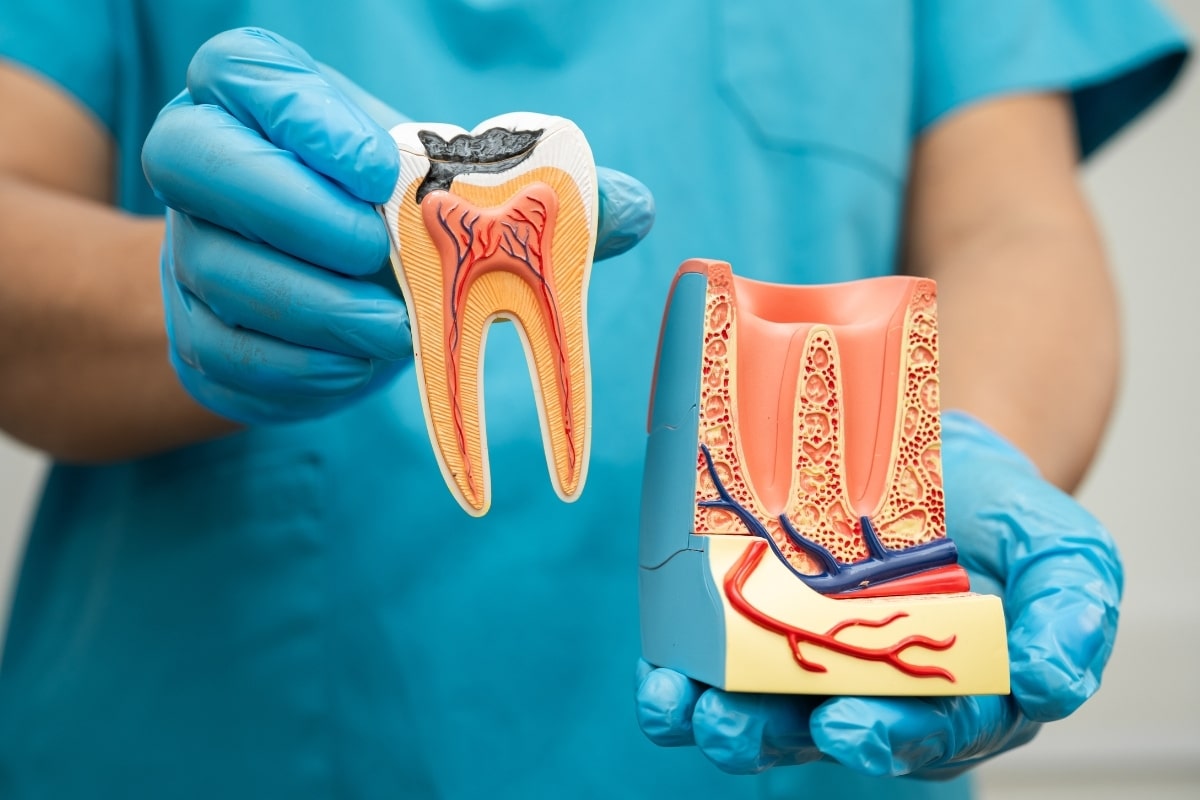
Tooth decay, or dental caries, is the gradual breakdown of your tooth’s structure caused by acids produced by bacteria in your mouth. It doesn’t happen overnight. It starts with plaque that sticky film that forms on your teeth and if left unchecked, it eats through the layers of your tooth: the enamel, then the dentin, and eventually the pulp.
Think of it like a slow leak in your roof. Ignore it early on, and what was once a minor fix becomes a major renovation.
Early Warning Signs: What Losing Teeth Symptoms Look Like
Catching decay early is everything. Here are the losing teeth symptoms and decay signals you should never ignore:
- Tooth sensitivity – sudden discomfort when eating hot, cold, or sweet foods
- Visible holes or pits on the surface of a tooth
- White, brown, or black spots on enamel
- Persistent toothache or pain when biting
- Bad breath that doesn’t go away with brushing
- A loose tooth – in adults, this is almost always a red flag
A loose tooth in an adult is not normal. If you’re asking can a loose tooth be saved, the answer is: sometimes yes but only if you act quickly. Looseness often signals gum disease or significant bone loss underneath, and early intervention gives you the best chance of keeping that tooth.
Common Reasons for Losing Teeth
Understanding why decay happens helps you prevent it. Here are the leading reasons for losing teeth:
- Poor oral hygiene — infrequent brushing and flossing allows plaque to harden into tartar
- High-sugar diet — sugary and starchy foods feed the bacteria that produce tooth-eroding acids
- Dry mouth — saliva helps neutralize acids; without it, teeth are more vulnerable
- Acidic drinks — sodas, sports drinks, and citrus juices wear down enamel over time
- Skipping dental checkups — small problems go undetected and become big ones
- Grinding teeth (bruxism) — wears down enamel and weakens teeth over time
How to Save Enamel on Teeth (Before It’s Too Late)
Enamel is your tooth’s first line of defense and once it’s gone, it doesn’t grow back. Knowing how to save enamel on teeth is about daily habits that protect what you have:
- Use a fluoride toothpaste — fluoride remineralizes weakened enamel in early decay stages
- Drink more water — especially fluoridated tap water, which strengthens teeth
- Cut back on acidic and sugary foods — and rinse your mouth with water after consuming them
- Chew sugar-free gum — stimulates saliva production, your mouth’s natural defense
- Ask your dentist about sealants — a protective coating applied to back teeth to prevent decay
Catching enamel erosion early means it can often be reversed or slowed but it requires action.
Can a Decayed Tooth Be Saved?
This is the question everyone wants answered: can a decay tooth be saved?
The honest answer is: it depends on how far the decay has progressed.
Stage 1 – Early enamel decay: Almost always treatable with fluoride treatments, remineralization, or a simple filling. No drilling needed in many cases.
Stage 2 – Dentin decay: A filling or inlay is typically enough to restore the tooth. The sooner, the better.
Stage 3 – Decay reaching the pulp: This is where things get more serious. If bacteria have reached the inner chamber of your tooth (the pulp), you may be experiencing significant pain, swelling, or infection. At this stage, a root canal treatment is often the most effective way to save the tooth – removing the infected pulp, cleaning the canal, and sealing it so the natural tooth structure can be preserved. Many people dread the phrase “root canal,” but modern techniques have made the procedure far more comfortable than its reputation suggests.
Stage 4 – Severe damage or abscess: If the tooth is extensively damaged or the surrounding bone has been significantly compromised, extraction may be the only option. But this is truly a last resort.
The key takeaway? Earlier treatment almost always means more options. Waiting makes everything more complicated and more expensive.
When to See a Dentist Immediately
Don’t wait for your next routine checkup if you’re experiencing:
- Throbbing or persistent toothache
- Swelling in your jaw, gums, or face
- Fever alongside dental pain (possible sign of abscess)
- A tooth that feels loose or has visibly shifted
- Sensitivity that doesn’t go away after the trigger is removed
These symptoms suggest the decay may have progressed significantly. Getting evaluated promptly could be the difference between saving and losing that tooth.
Take the Next Step — Your Smile Deserves It
If you’ve been putting off a dental visit because you’re afraid of what you might hear, here’s the truth: the sooner you come in, the more options you have. Knowing how to save decaying teeth starts with getting the right diagnosis – and that’s exactly what our team at Victory Smiles Pasadena is here for.
We take the time to listen, explain your options clearly, and develop a treatment plan that works for your situation and your budget. Whether it’s a simple filling or something more involved, we’ll help you keep as much of your natural smile as possible.
Ready to take action? Schedule a consultation with Victory Smiles Pasadena today because your teeth are worth saving.
Frequently Asked Questions
1. Can a severely decayed tooth be saved without a root canal?
It depends on whether the pulp has been affected. If decay is limited to the enamel or dentin, a filling may suffice. Once the pulp is infected, a root canal is typically necessary to save the tooth.
2. How do I know if my tooth decay is serious?
Persistent pain, sensitivity that lingers, visible darkening, or swelling near a tooth are signs decay has advanced. A dental X-ray can confirm how deep the damage goes.
3. Is a loose tooth always a sign of gum disease?
Not always — but it’s a strong indicator. In adults, loose teeth often signal gum disease or bone loss and should be evaluated by a dentist as soon as possible.
4. Can tooth decay be reversed naturally?
Very early-stage enamel erosion can sometimes be remineralized with fluoride, good nutrition, and improved hygiene. Once decay forms a cavity, however, it cannot reverse on its own and needs professional treatment.
5. What happens if you leave a decayed tooth untreated?
Untreated decay spreads deeper into the tooth, potentially causing infection, abscess, bone loss, and eventually tooth loss. It can also affect neighboring teeth and your overall health.