You’re scrolling through reviews at midnight, reading conflicting stories about dental implants. One person says theirs failed within a year. Another swears by their implant fifteen years later, calling it the best decision they ever made. If you’re trying to figure out who to believe, you’re not alone, and you’re definitely not wrong to want clear answers before committing to a procedure like this.
The truth is, most of the fear around implants comes from outdated information or a handful of unusual cases that get repeated online. Once you understand the real dental implant restoration success rate, the picture becomes a lot less intimidating and a lot more reassuring.
Why So Many Myths Exist in the First Place
Dental implants have been around for decades, but misinformation spreads faster than facts. A single bad experience shared online can shape public opinion, even when it doesn’t reflect what typically happens. Add in confusion between implants and older restoration methods, like bridges or dentures, and it’s easy to see why myths stick around.
Let’s clear up the most common ones, one at a time.
Myth #1: Implants Fail More Often Than They Succeed
This is one of the most persistent myths, and it’s simply not accurate. In reality, research consistently shows that implants succeed in the vast majority of cases when placed by a qualified professional and cared for properly.
Fact: Most studies place the dental implant success rate between 90 and 98 percent, depending on factors like bone health, location in the mouth, and patient habits like smoking. That’s a significantly higher success rate than many people assume.
Myth #2: Implants Are Only for Older Adults
Many people picture implants as a solution exclusively for seniors, but that’s not accurate either. Dental implant restoration is appropriate for most adults with missing teeth, regardless of age, as long as their jawbone has finished developing.
- Young adults with missing teeth from injury
- Adults with failing teeth due to decay
- Seniors replacing multiple missing teeth
- Anyone seeking a permanent alternative to dentures
Age isn’t the deciding factor. Bone density and overall oral health matter far more.
Myth #3: The Recovery Process Is Long and Painful
This myth keeps a lot of people from even considering implants, but modern techniques have made the process far more comfortable than it used to be.
Fact: Most patients report mild discomfort, similar to a tooth extraction, that improves within a few days. Swelling and soreness are common but manageable with over-the-counter pain relief and simple aftercare.
Myth #4: All Dental Implant Restoration Methods Are the Same
Not every implant restoration looks or functions the same way. Depending on your needs, your dentist may recommend:
- A single implant-supported crown for one missing tooth
- Implant-supported bridges for multiple missing teeth
- Implant-supported dentures for full arch replacement
Each option is customized based on your bone structure, number of missing teeth, and long-term goals. This is one of the biggest facts about dental implants that many patients don’t realize until their consultation.
Myth #5: Implants Require Constant, Complicated Maintenance
Some people assume implants need special tools or elaborate routines to maintain. In truth, caring for an implant is remarkably similar to caring for natural teeth.
- Brush twice daily
- Floss around the implant and gum line
- Attend regular dental checkups
- Avoid chewing on extremely hard objects
That’s really it. There’s no secret formula, just consistency.
What Actually Affects Dental Implant Success Rate
While implants have a strong track record overall, a few factors can influence outcomes:
| Factor | How It Affects Success |
| Bone density | Provides a stable foundation for the implant |
| Oral hygiene | Prevents infection around the implant site |
| Smoking | Slows healing and increases failure risk |
| Underlying health conditions | Diabetes or immune issues may affect healing |
| Dentist’s experience | Precision in placement improves long-term stability |
Understanding these factors helps set realistic expectations rather than relying on myths passed around online.
Why Choosing the Right Provider Matters
A large part of a successful outcome comes down to who performs the procedure. Experienced dentists evaluate bone structure, plan precise implant placement, and monitor healing closely, all of which directly affect long-term stability.
If you’re exploring your options, working with a team that specializes in dental implants in Pasadena can help you understand exactly what to expect based on your specific dental history and needs.
Setting Realistic Expectations
No dental procedure comes with a 100 percent guarantee, and it’s important to approach implants with realistic expectations rather than myths in either direction. While the success rate is high, factors like aftercare and lifestyle habits still play a meaningful role.
The most reassuring fact is this: implant failure is uncommon, and when it does happen, it’s often linked to preventable factors like smoking or poor hygiene, not the procedure itself.
How Long Do Dental Implants Actually Last?
With proper care, implants are designed to last decades, and many patients keep theirs for life. The implant-supported crown on top may eventually need replacement due to normal wear, similar to how a natural tooth’s surface changes over time, but the implant itself typically remains stable for the long term.
This durability is one of the main reasons implants remain a preferred solution over dentures or bridges for many patients.
Ready to Separate Fact From Fiction?
Dental implant restoration has come a long way, and most of the fear surrounding it is rooted in outdated myths rather than current reality. With a strong success rate, customizable options, and manageable aftercare, implants remain one of the most reliable ways to restore a missing tooth.
If you’re ready to get clear, personalized answers about your own candidacy, Victory Smiles Pasadena is here to help. Schedule a consultation today and take the next step toward a confident, long-lasting smile.
Frequently Asked Questions
What is the success rate of dental implants?
Most dental implants have a success rate between 90 and 98 percent. Success depends on factors like bone health, hygiene, and whether the patient smokes.
How long does it take to recover from dental implant surgery?
Initial healing typically takes about one to two weeks, while full bone integration can take several months. Most patients return to normal activities within a few days.
Can dental implants fail years later?
Yes, though it’s uncommon, implants can fail years later due to gum disease or bone loss. Regular checkups help catch these issues early before they become serious.
Are dental implants painful?
Most patients experience mild discomfort similar to a tooth extraction, not significant pain. This typically improves within a few days with basic aftercare.
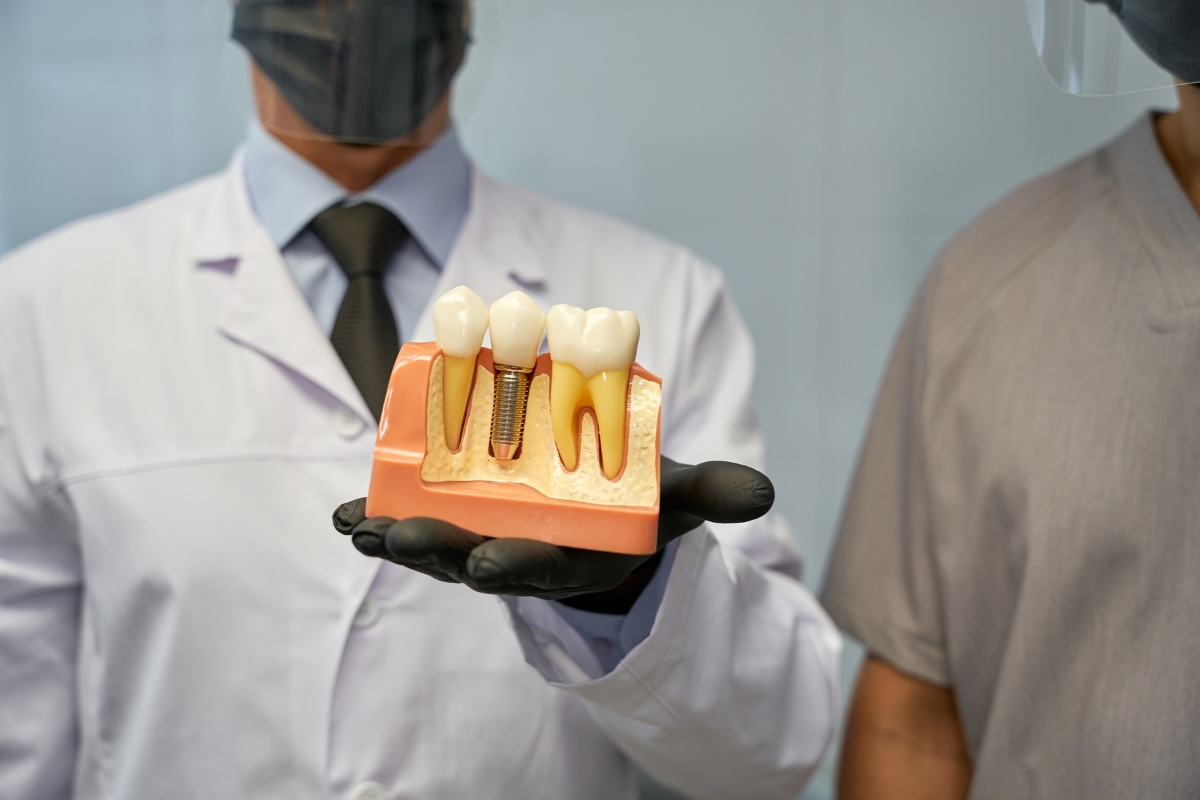
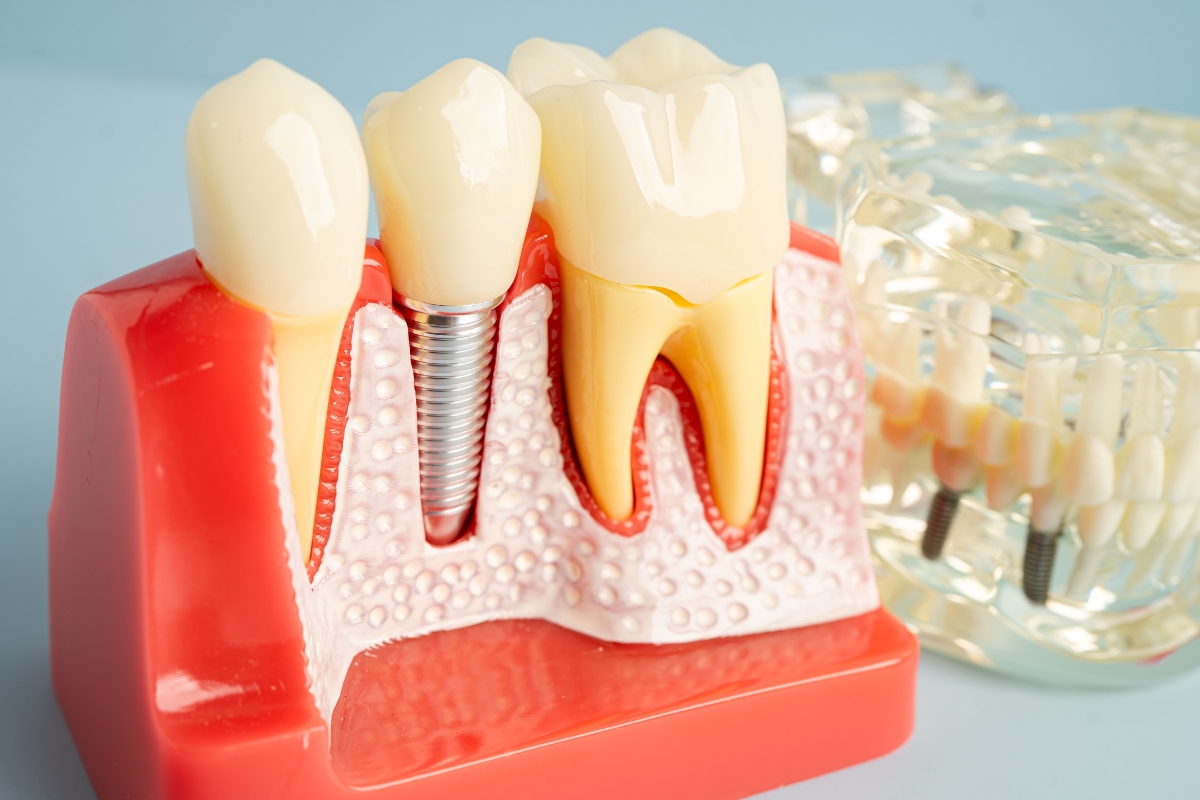
What is an implant-supported crown?
An implant-supported crown is a custom tooth replacement attached to the implant post. It functions and looks like a natural tooth, restoring both appearance and bite function.